



What Are Heritage Tiles; Why Are They Worth the Investment?
Heritage tiles are floor and wall tiles rooted in traditional patterns and time honoured methods, from Victorian encaustic designs to hand glazed motifs shaped by generations of European makers. Walk into a home with a heritage floor and you feel it before you notice why: the colour, the slight unevenness, the sense that someone made a decision here rather than picked something off a shelf. Because these tiles are made properly in the first place, they tend to outlast trends by decades. Have a look through our encaustic floor tiles to see the patterns behind the style.
What Makes a Tile "Heritage"?
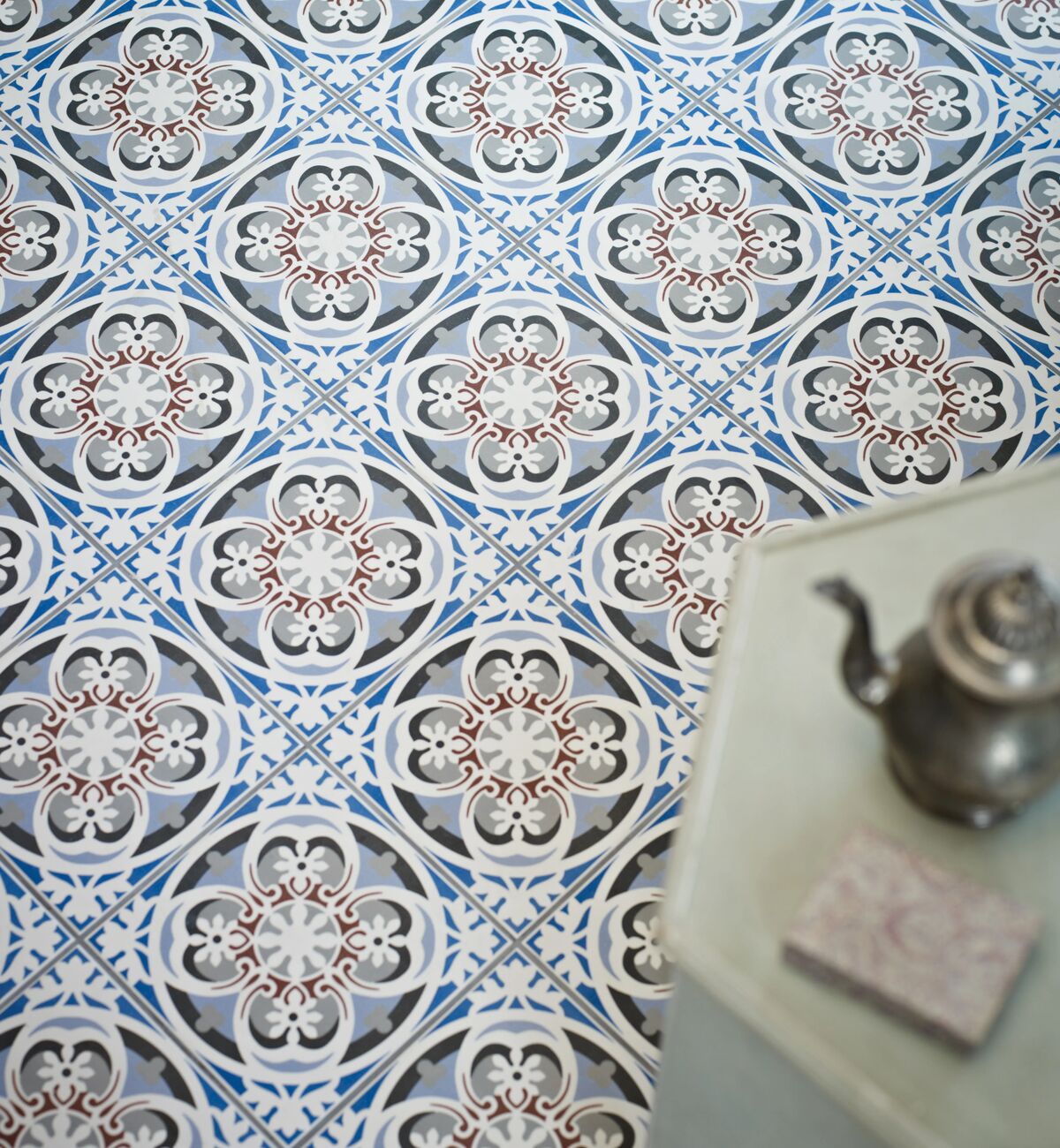
A heritage tile is one built on a design or technique with a genuine past, not one dressed up to look old. The story starts in the 13th century, when English monasteries laid inlaid floor tiles in patterns you can still see in cathedrals today, worn smooth by hundreds of years of footsteps. Victorian makers later revived and refined the technique, and gave it the name we use now: encaustic. What ties the whole family together isn't age for its own sake. It's craft, colour and a pattern that still earns its place on a floor centuries later.
So how do you spot one? A few small things usually give it away:
Colour inlaid into the tile rather than printed on the surface
Patterns drawn from historic archives rather than a passing look
A slightly uneven edge or glaze, because a person made it, not a machine
Materials chosen to age well: terracotta, clay, fired ceramic
What Are English Heritage Tiles?
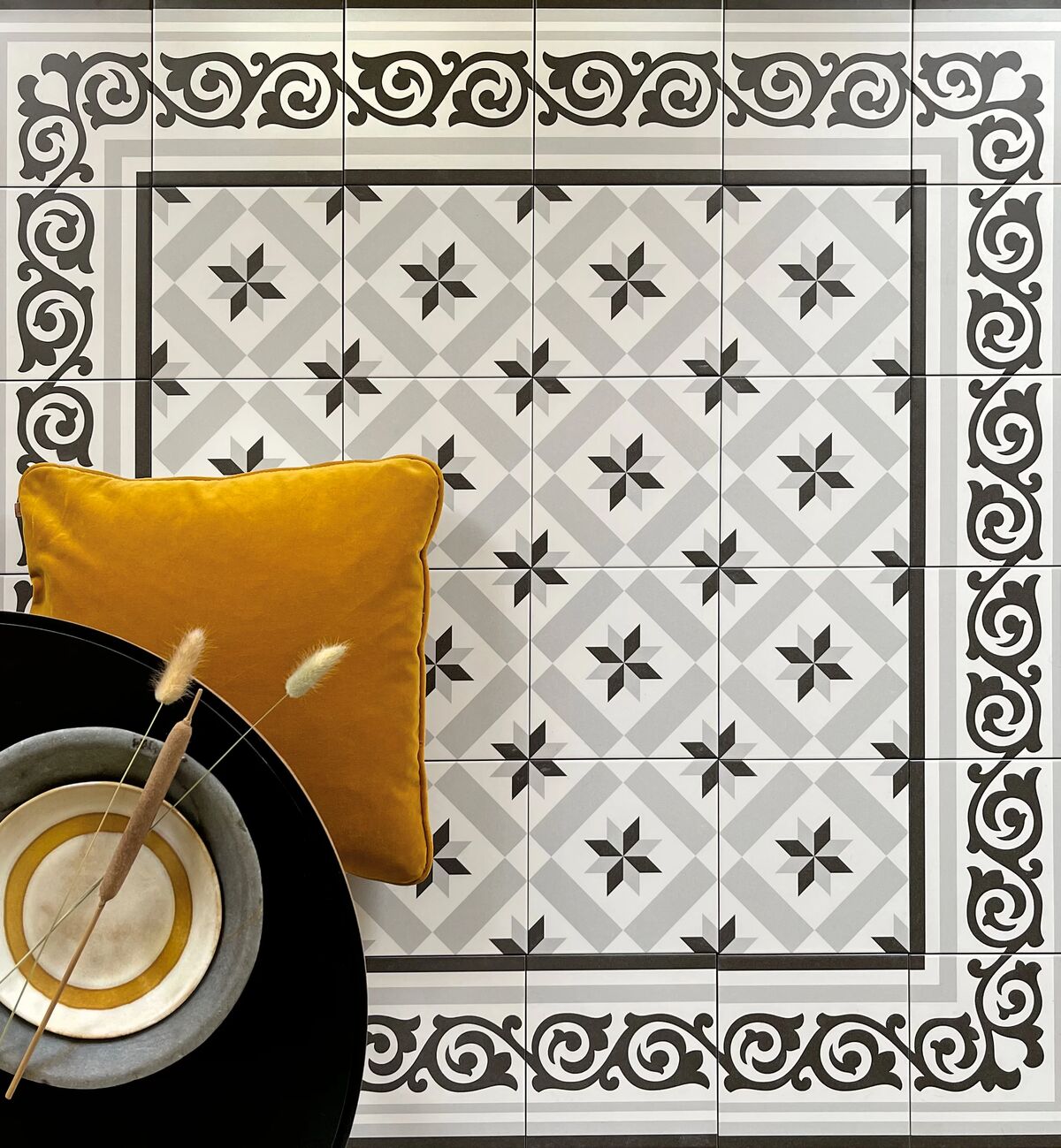
English heritage tiles are patterns and materials with roots in Britain's own tile making history, particularly the Victorian era, when encaustic floors became a hallmark of grand hallways, churches and civic buildings. The revival began in the 1830s, led by makers such as Herbert Minton, whose tiles first appeared at Temple Church in London in 1842 and, not long after, at the Palace of Westminster itself.
Geometric layouts and muted earth tones are typical, often paired with foliate motifs or the classic quatrefoil and fleur de lis shapes that still turn up in reproductions today. Some of the moulds behind these patterns trace back to historic English works, including Craven Dunnill's factory in Ironbridge, Shropshire, where tiles have been made for well over a century.
It's a look that suits a creaking period hallway just as easily as it suits a brand new build in search of a bit of soul.
It's a look that suits a creaking period hallway just as easily as it suits a brand new build in search of a bit of soul.
”What Are European Heritage Tiles?
European heritage tiles draw on a broader continental tradition, particularly the cement tile technique that emerged in Catalonia, Spain, and in France during the 1850s. Poured and pressed rather than fired, these tiles carry bolder, more decorative patterns: think warm Mediterranean colourways, intricate florals and shapes that tessellate into something almost kaleidoscopic. The technique spread quickly across Europe and beyond in the decades that followed, so you'll find the same underlying craft behind tiles from very different countries, each with its own accent and its own way of using colour.
Why Are Heritage Tiles Worth the Investment?
Heritage tiles are worth the investment because they're built to last, both physically and visually. In a well made encaustic tile, the pattern is inlaid several millimetres deep rather than printed on top, so it can handle decades of foot traffic without ever wearing thin. And a design rooted in history rarely looks dated, simply because it was never chasing a trend to begin with.
There's a practical case too, and it's worth spelling out:
Durability: dense, fired materials cope well with heavy use, year after year
Timelessness: period patterns don't date the way seasonal trends do
Character: small variations in glaze and tone give a floor real depth
Value: a considered, well laid heritage floor can genuinely lift how a period home feels, and how it's perceived
Will every tile in this category cost more upfront? Often, yes. But you're paying for a floor that won't need replacing in five years, not one that only looks good in a photo.
”Where Do Heritage Tiles Work Best in a Home?
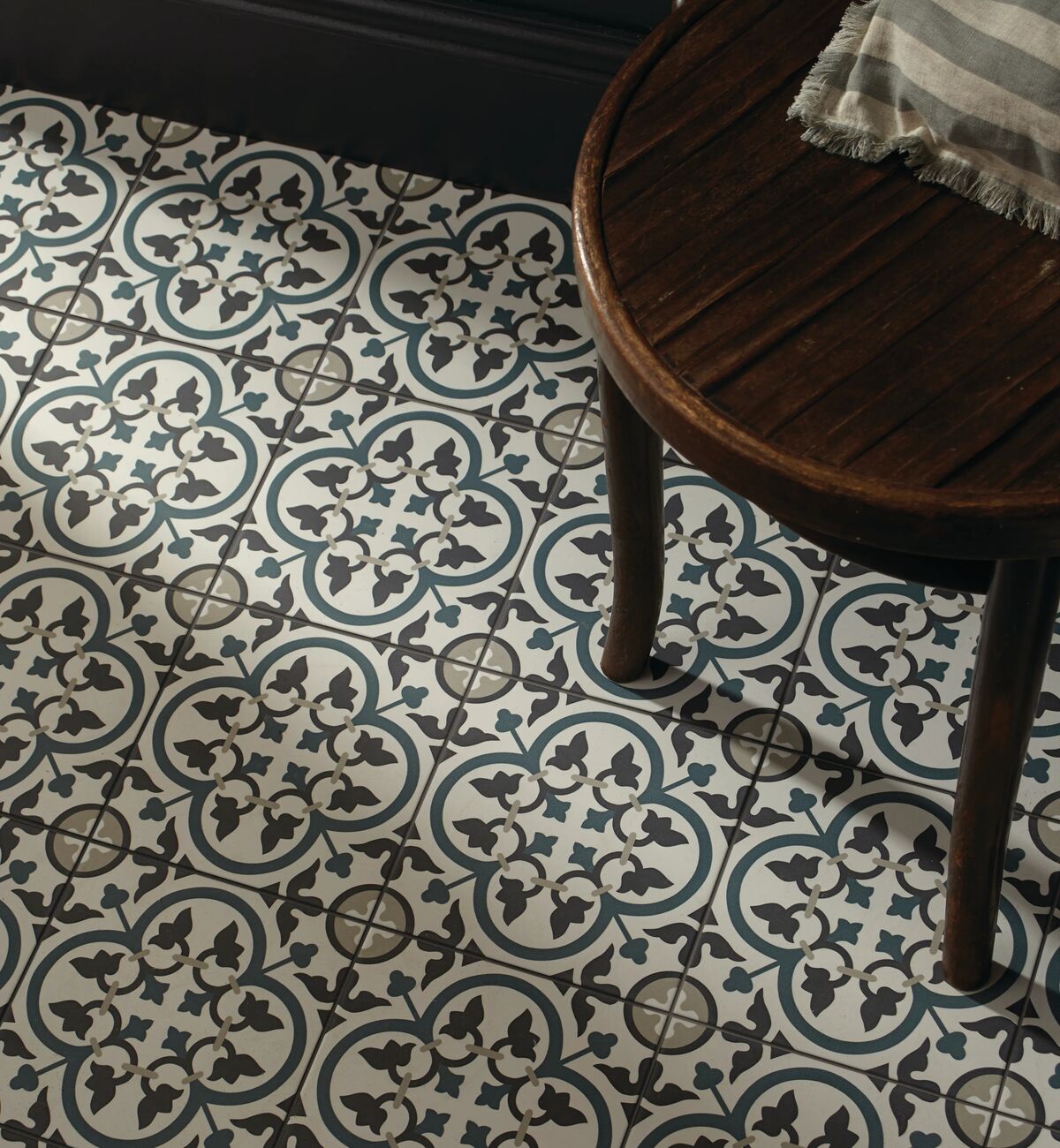
Heritage tiles work best in spaces that benefit from a bit of pattern and a lot of durability: hallways, kitchens, bathrooms and boot rooms all suit the style well. A hallway is the classic choice, and for good reason. A patterned encaustic floor sets the tone for the whole house from the moment you step through the door. In a kitchen, the same tiles bring warmth underfoot and quietly hide the odd scuff without any fuss.
Renovating a period property? Heritage tiles can restore a room to something closer to its original character. Building something new? They do the opposite job just as well, adding a sense of history a new build hasn't had time to earn yet.
How Do You Care for Heritage Tiles?
Heritage tiles are generally straightforward to live with, provided they're sealed and cleaned the right way from the start. Cement and encaustic tiles benefit from a sealant to protect the colour, and a gentle, pH neutral cleaner rather than anything abrasive or acidic. Get that right early on, and a heritage floor will only look better with age, never worse.


Choosing a heritage tile isn't just a design decision, it's a long term one, and it helps to talk it through with someone who knows the patterns and the practicalities inside out. Get in touch with our team and we'll help you find the right heritage tile for your home, your budget and the room it's going in.