




 +Empress Pearl Base £294.53 /m2



 +
+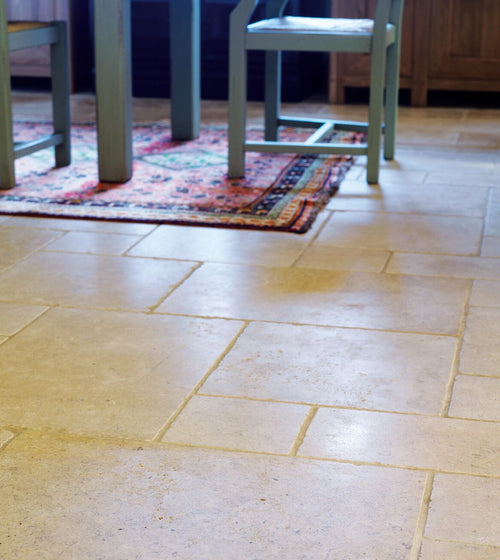
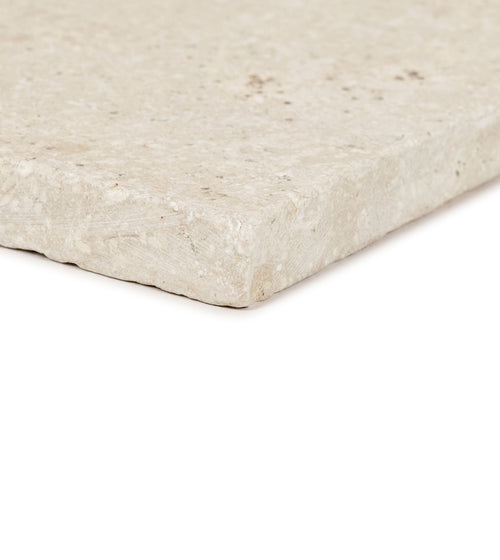
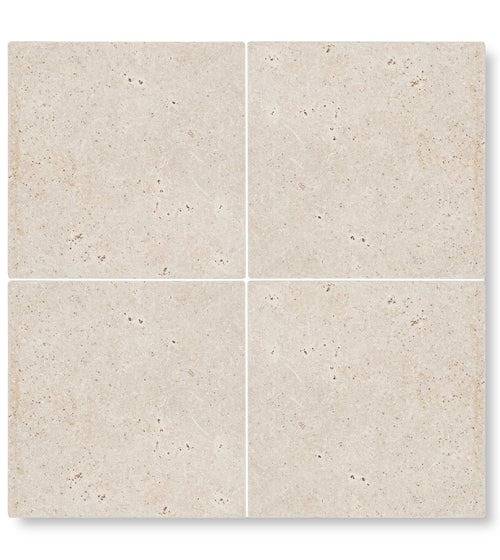
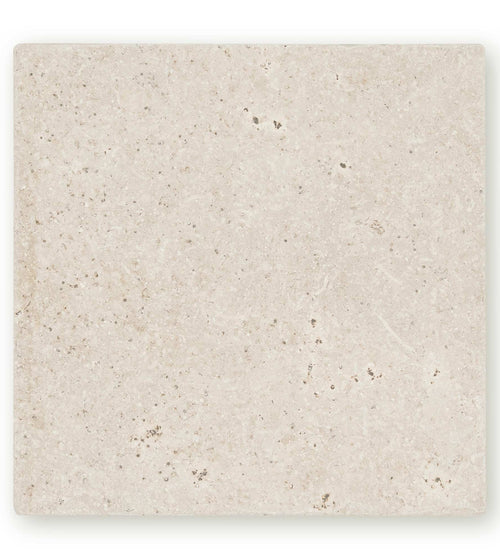


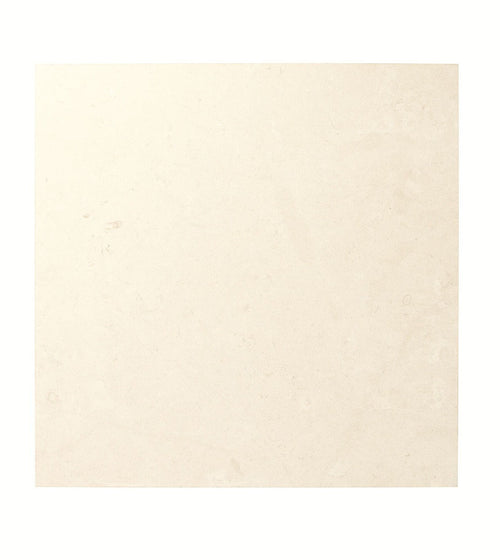
 Cathedral Antique 20 x 20 £158.50 /m2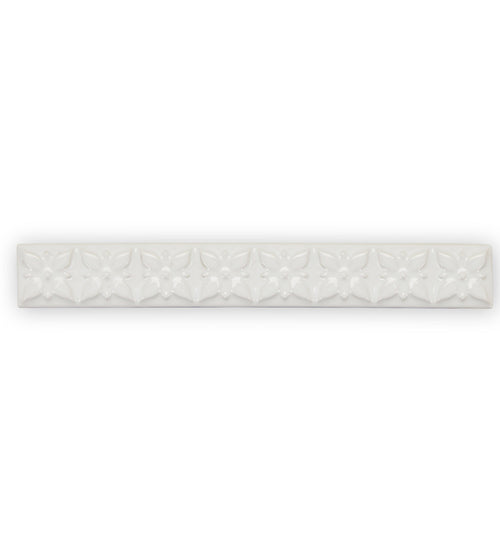
 +
+


 +
+

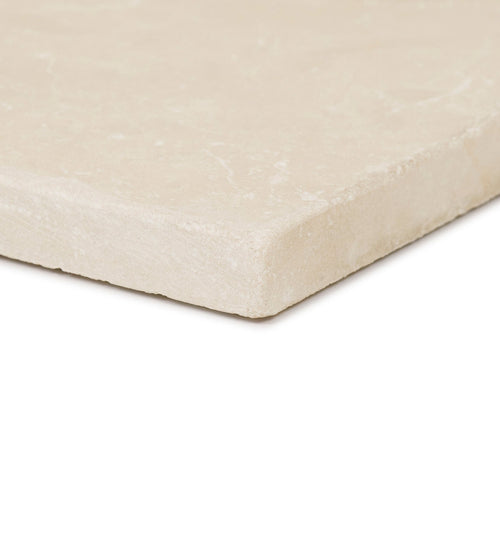
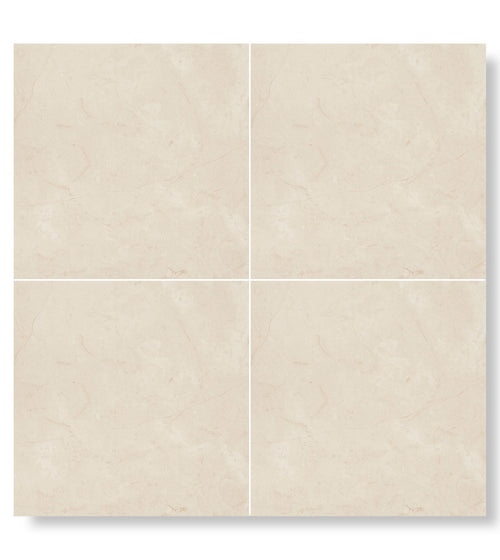
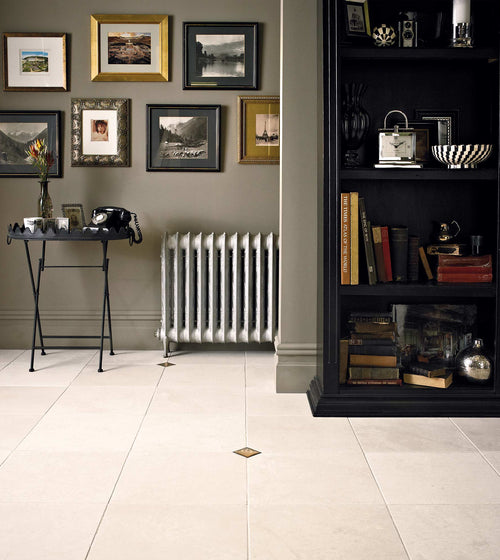
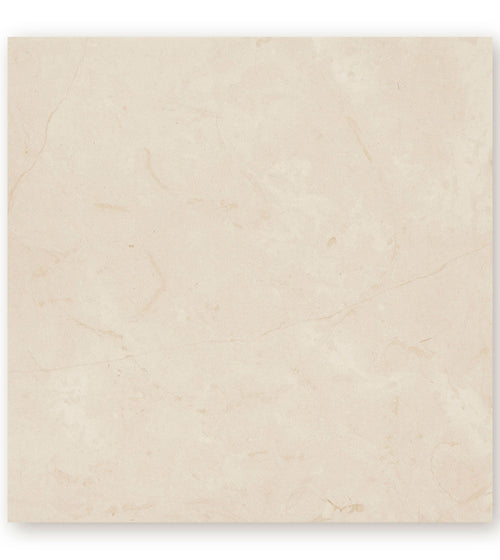


 Dorzano Diamond Sawn Edge, Honed £132.57 /m2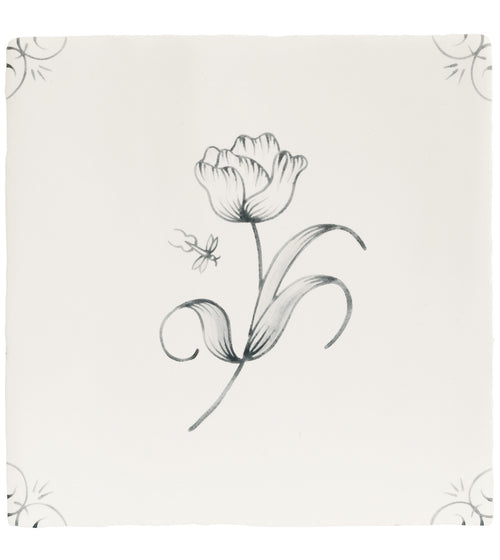
 +
+
 +
+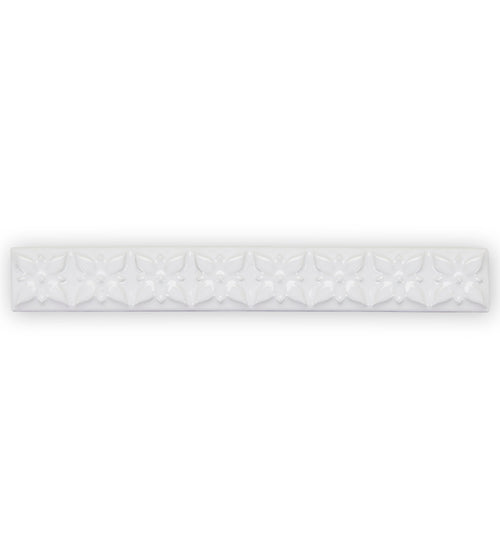
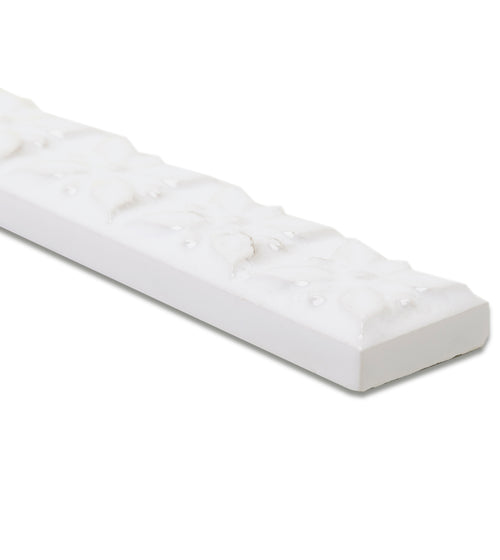
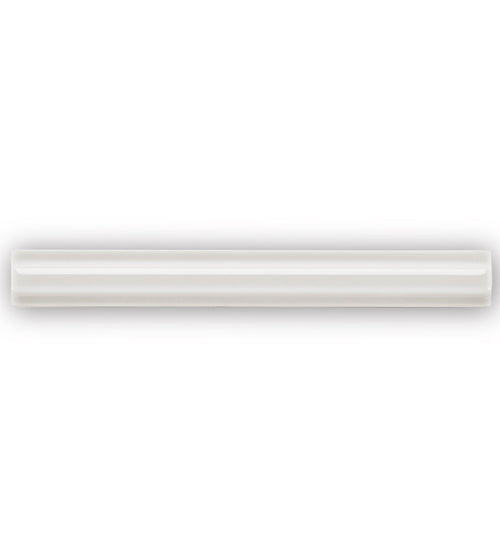
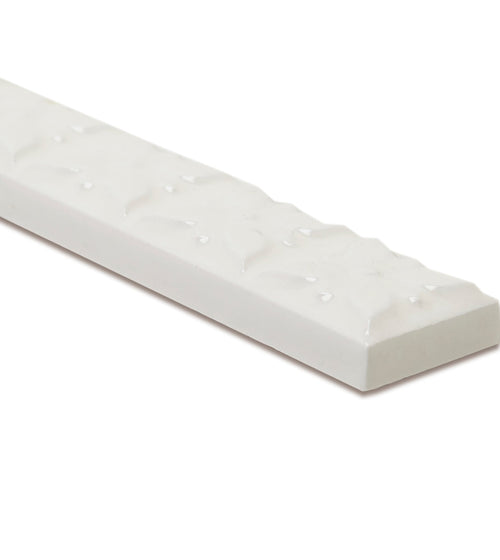
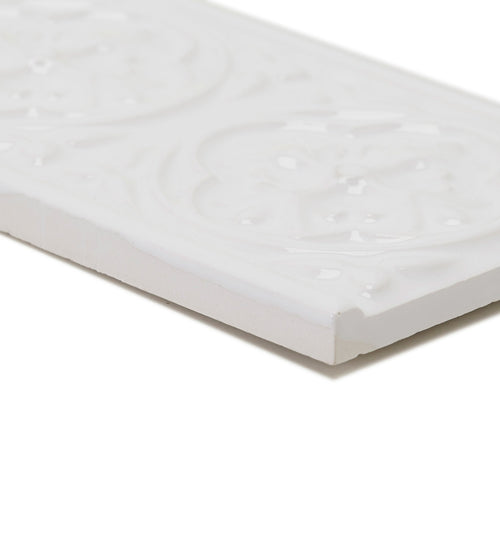
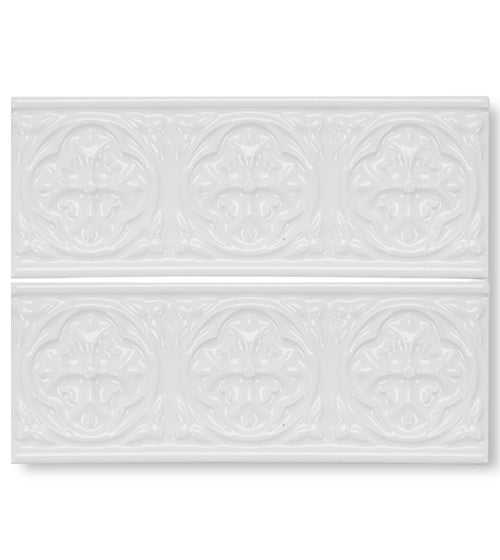
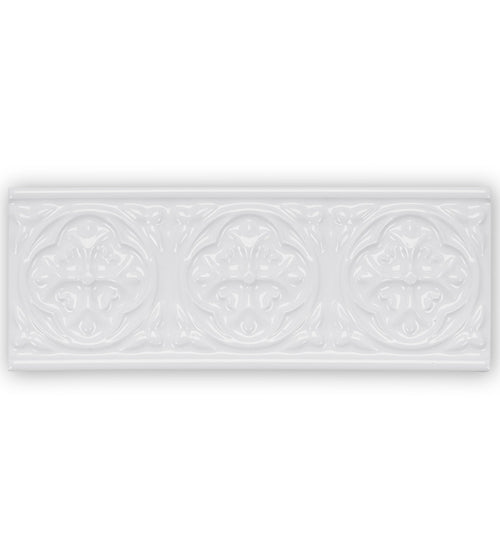
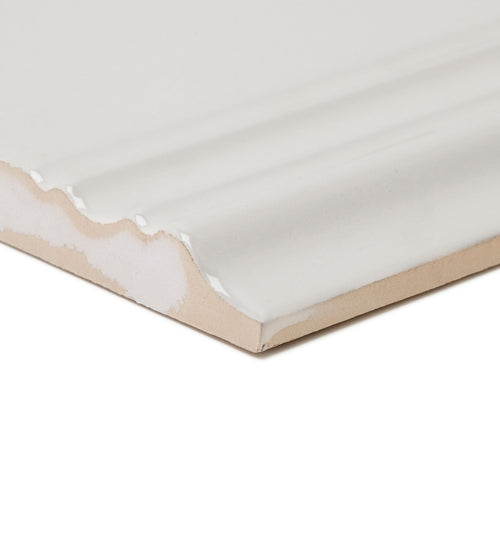
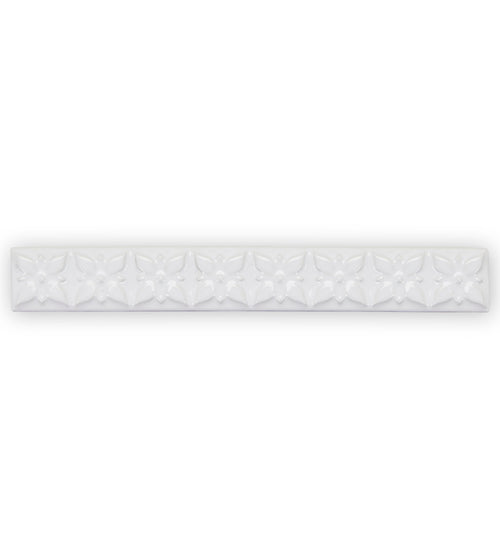 +Giralda Hielo White Glazed Trim £5.40 /


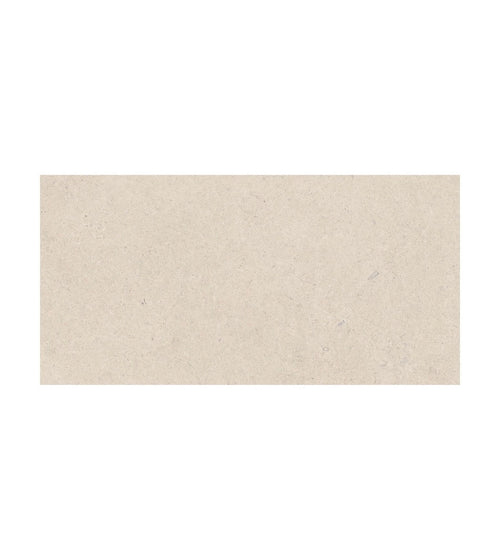


 +Axis Ivory Tile - 30 x 60 £29.97 /m2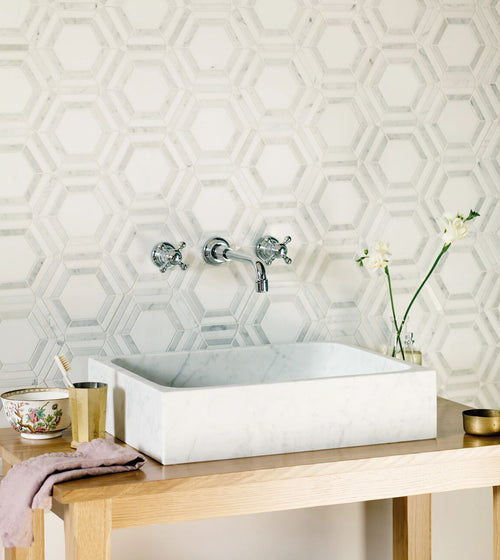
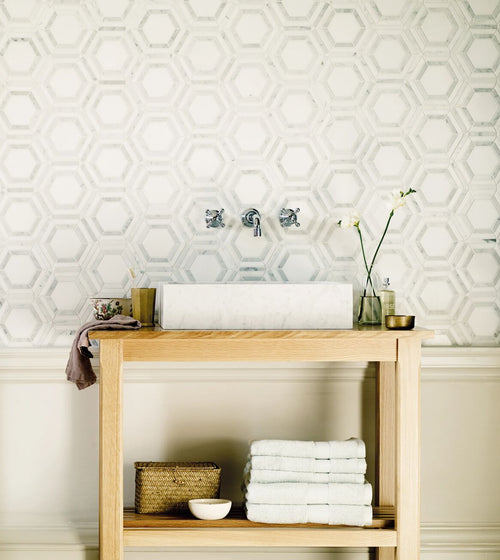
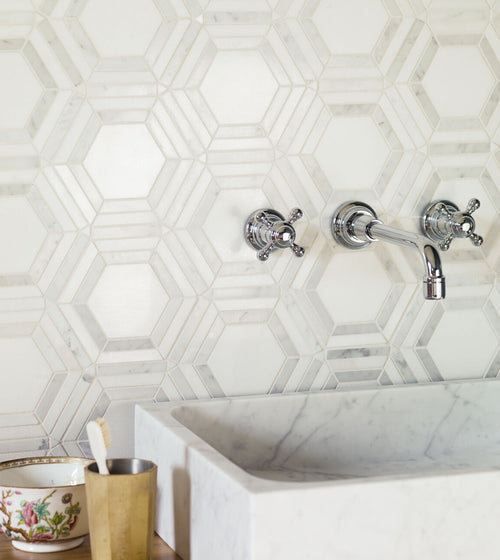
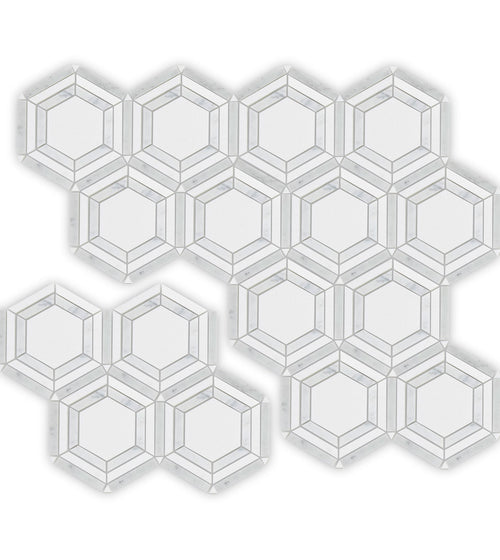
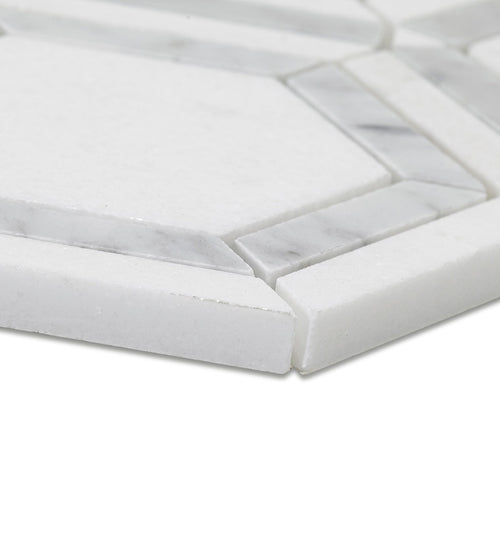
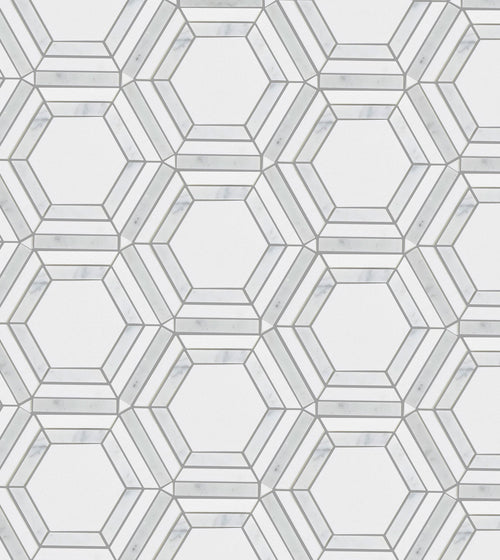
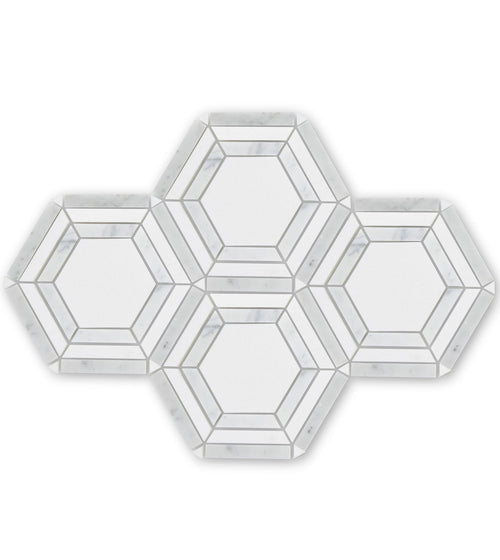

 High Society Marble Mosaic Rockefeller £413.62 /m2


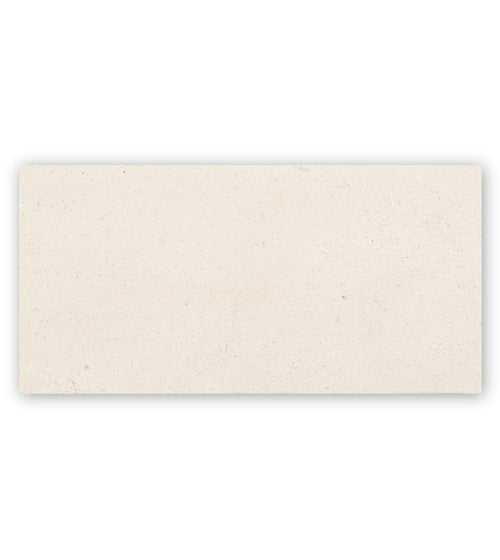


 +Palio 10 x 20 Diamond sawn edge, honed £114.50 /m2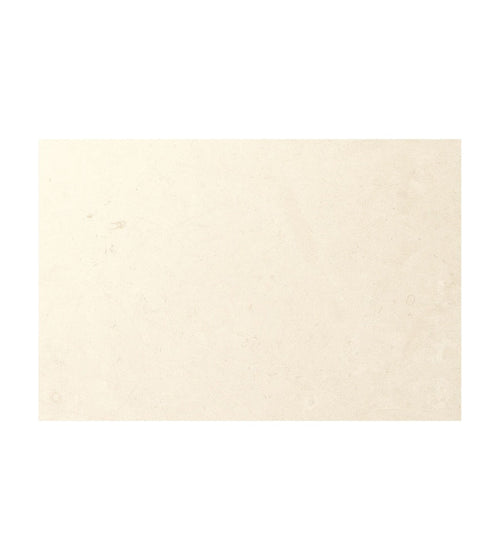
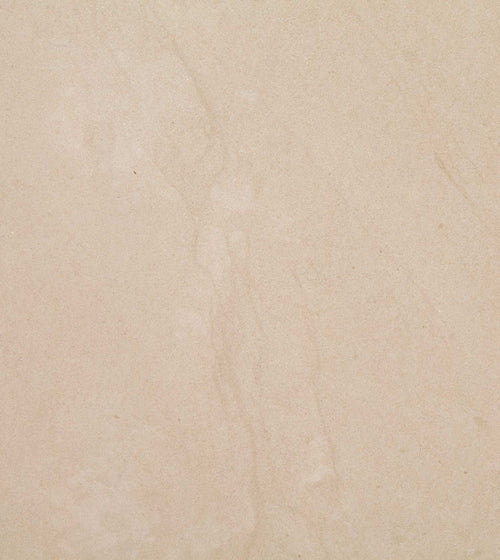
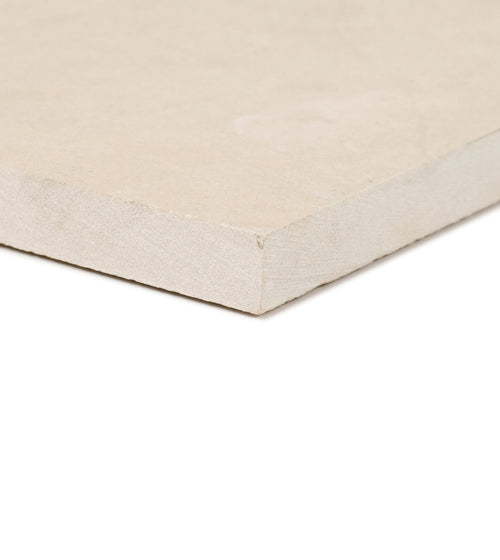
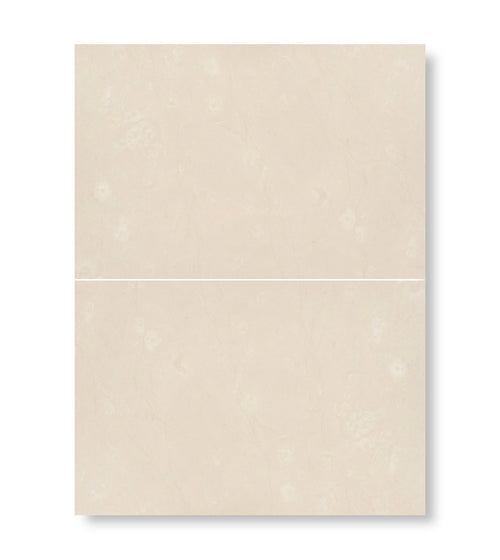
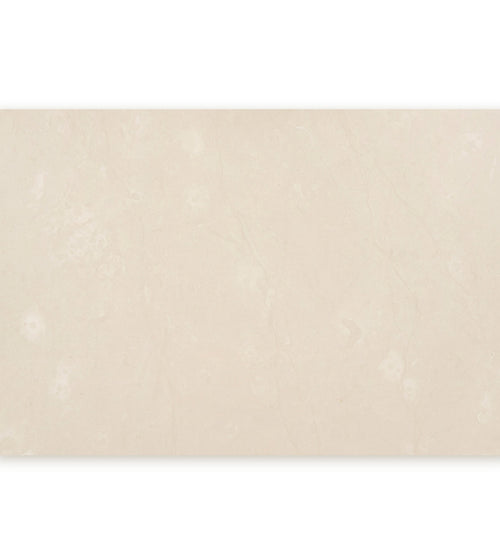 Dorzano Diamond Sawn Edge, Honed £108.60 /m2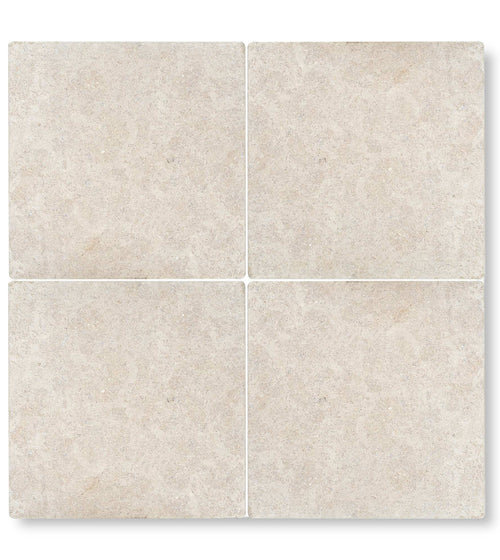
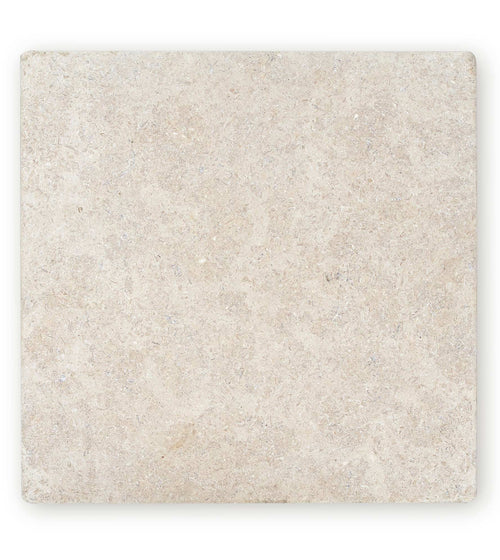 Cathedral Antique 40 x 40 £158.45 /m2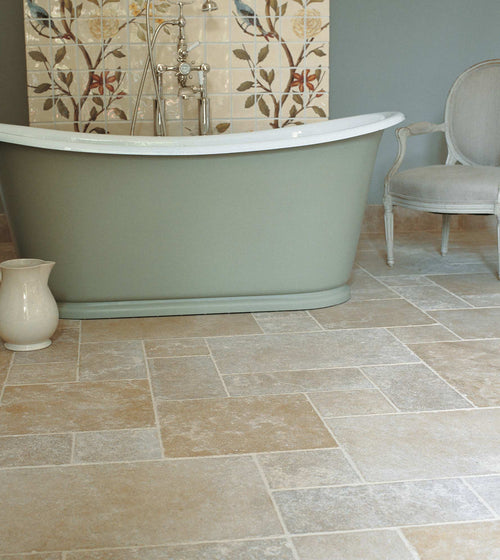
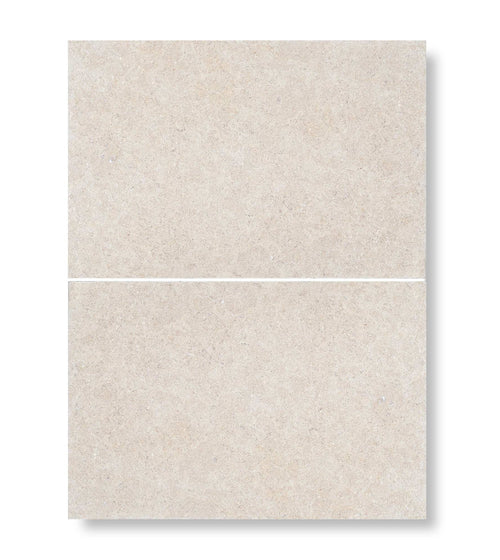
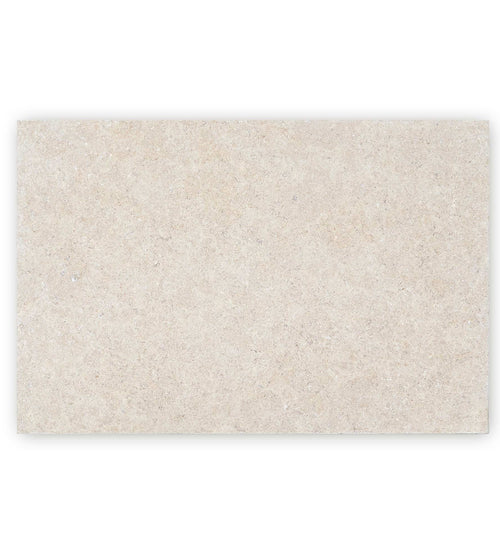 Cathedral Antique 40 x 60 £169.01 /m2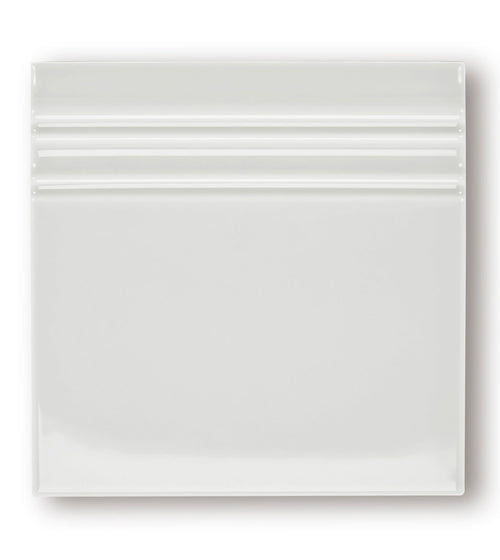
 +
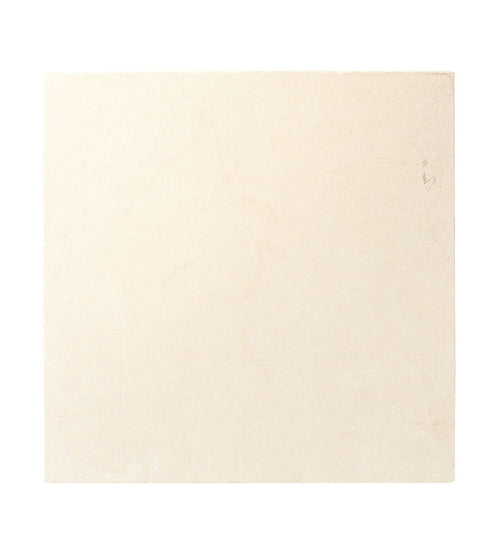
+
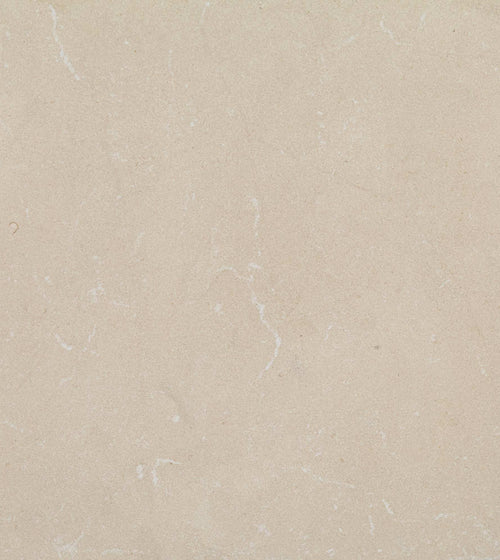
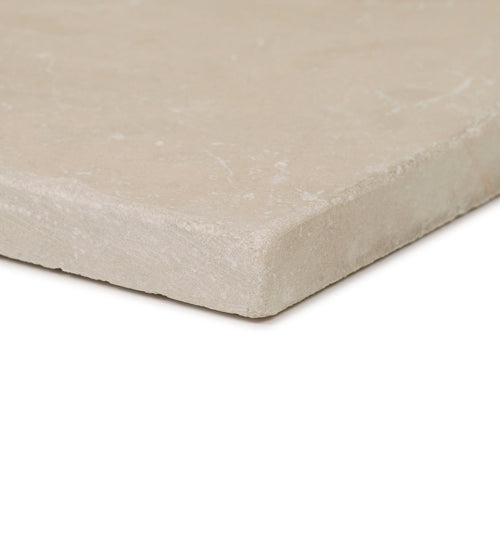
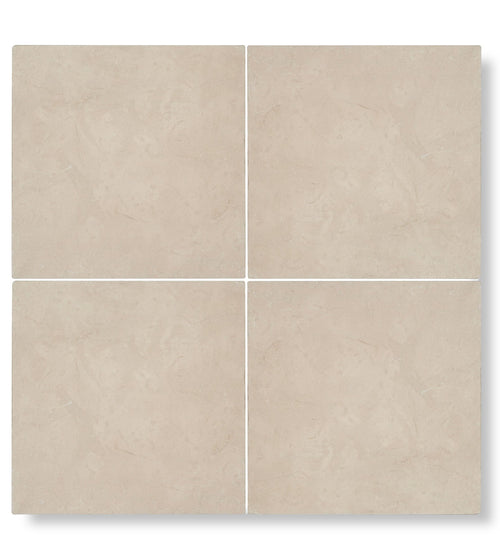
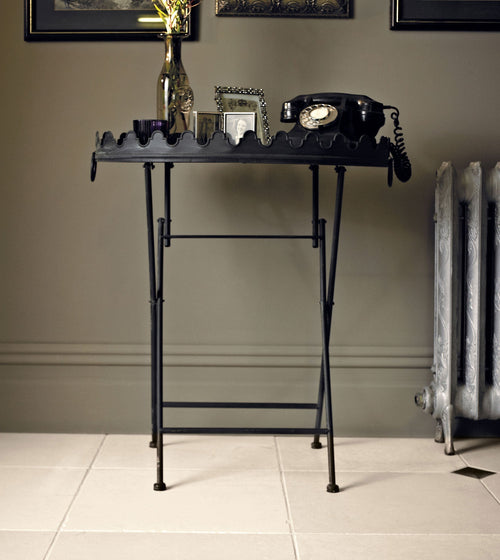
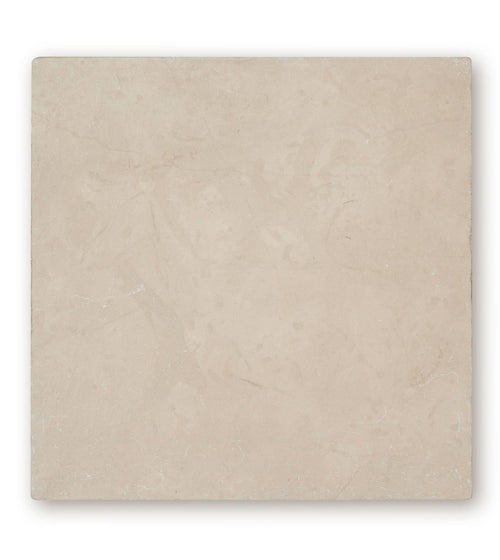 Dorzano Tumbled Edge and Surface £132.57 /m2

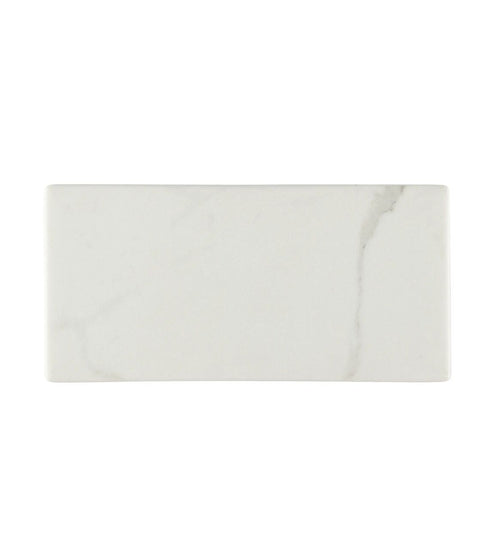


 Malmo Base White Rectangle £127.68 /m2


 Avalon Tumbled Bianco Marble Tile £69.54 /m2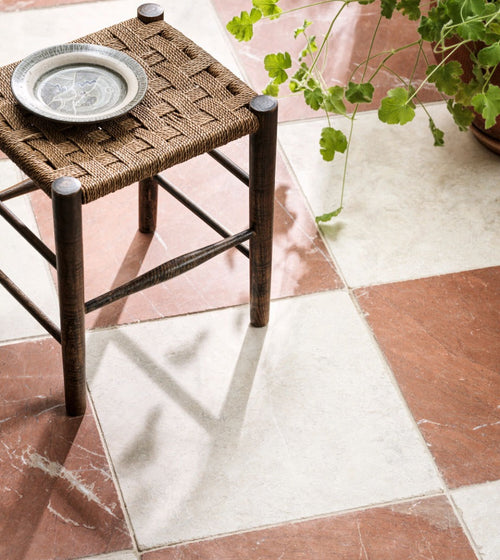
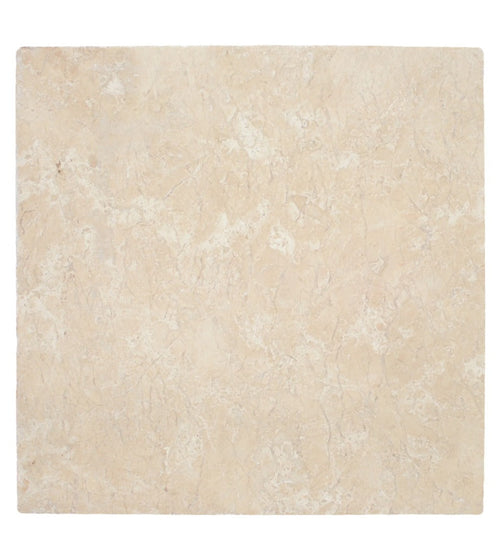 Avalon Tumbled Crema Marble Tile £69.54 /m2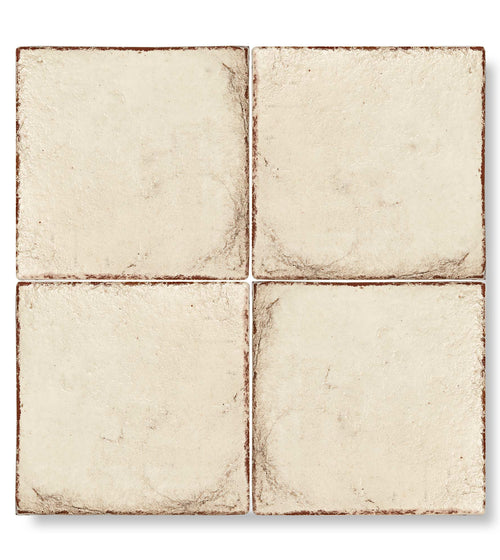
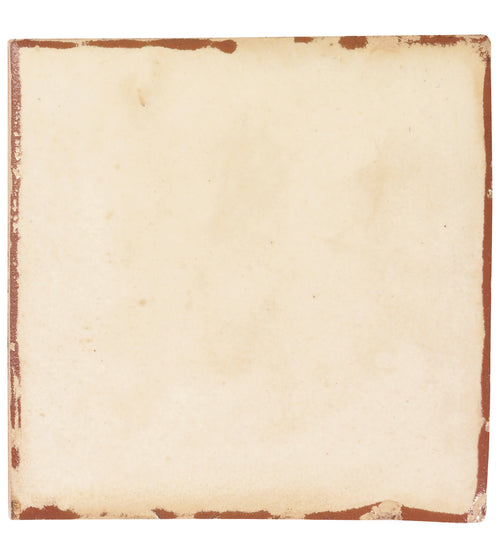


 +Marrakech Cream Terracotta Base Tile 17cm £727.98 /m2


 +Axis Ivory Tile - 60 x 60 £33.00 /m2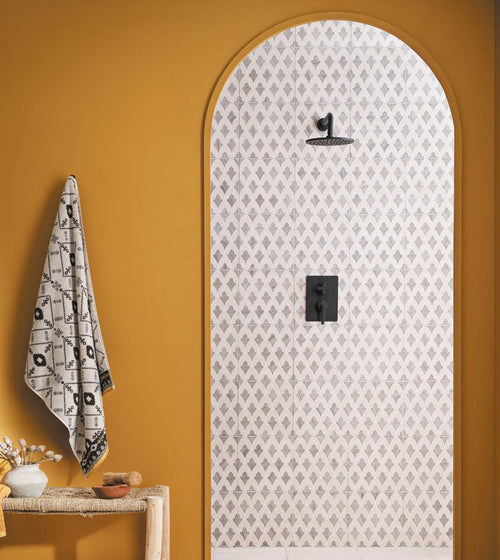
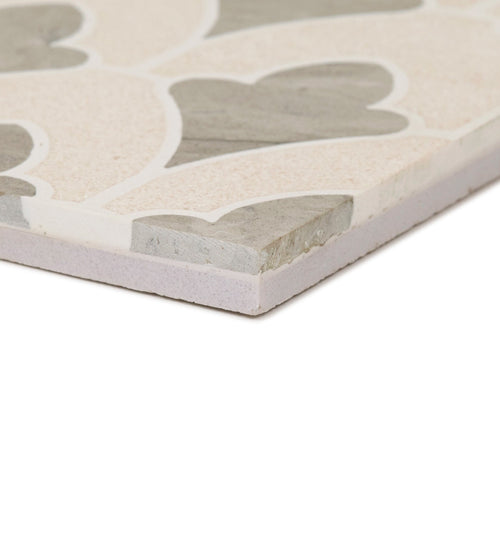
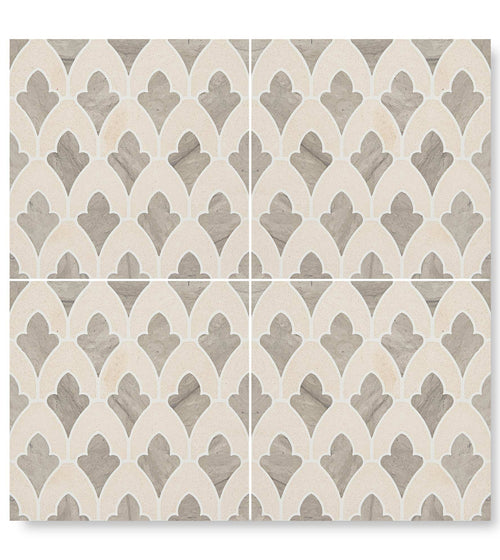
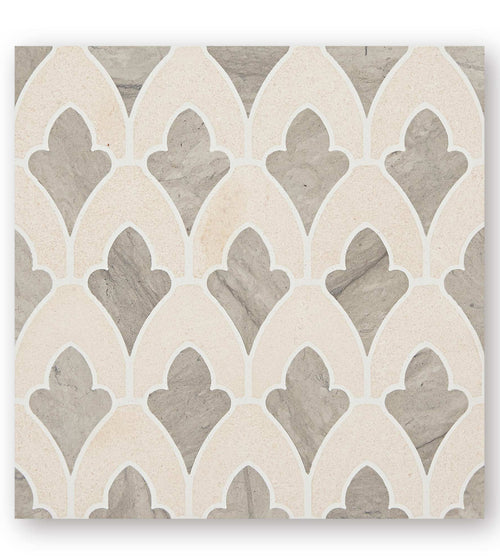


 +Palazzo Valentini £635.80 /m2


Frequently Asked Questions
Cream tiles are one of the most versatile bases you can choose. They work well with warm neutrals like taupe, stone and soft white, and complement aged brass, brushed bronze and raw wood. For something bolder, deep navy or forest green offer striking contrast without working against the tile's warmth.
Cream ceramic and porcelain tiles are well suited to underfloor heating systems. Both materials conduct and retain heat efficiently, making them a practical and comfortable choice for kitchens, bathrooms and hallways. Always check the tile's suitability to confirm compatibility, and use a flexible adhesive and grout designed for heated substrates.
The brick bond is the most popular layout for cream metro tiles and suits almost any space. For something more contemporary, a vertical stack creates clean, uninterrupted lines. Herringbone adds movement and a sense of craft. The right choice depends on the shape and scale of the room you're working with.
Check the tile suitability to confirm whether your chosen glazed tile requires sealing. The glaze acts as a protective, non-porous surface that resists moisture and staining without any additional treatment. Unglazed or natural stone cream tiles are a different matter and will generally need sealing before and after grouting to protect against staining over time.
Cream tiles are one of the simplest ways to open up a smaller space. The tone reflects natural light, making the room feel brighter and more open. Larger format tiles with fewer grout lines add to this effect, reducing visual interruption and helping the eye travel across the floor or wall uninterrupted.


