


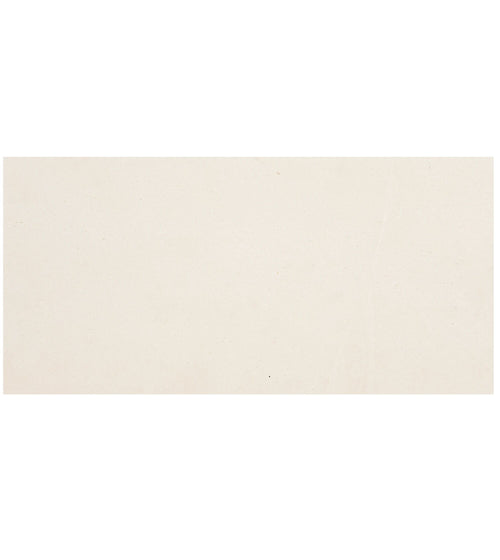


 +Palio 30x60 Diamond Sawn Edge, Honed £113.40 /m2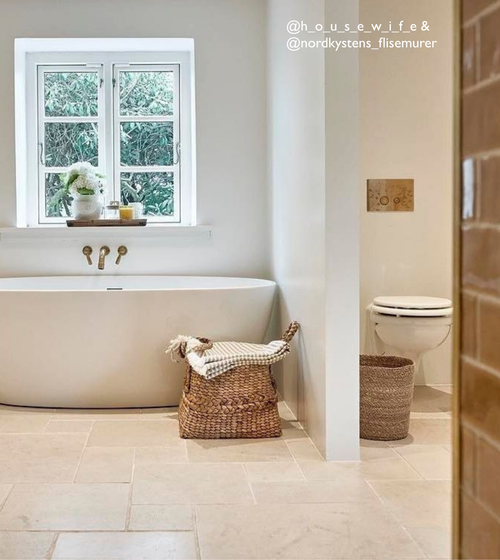
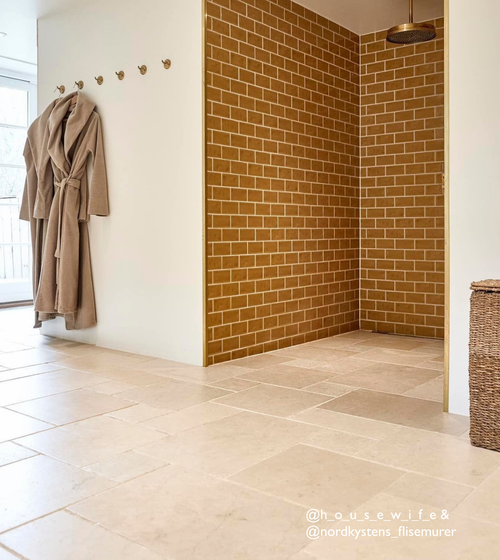
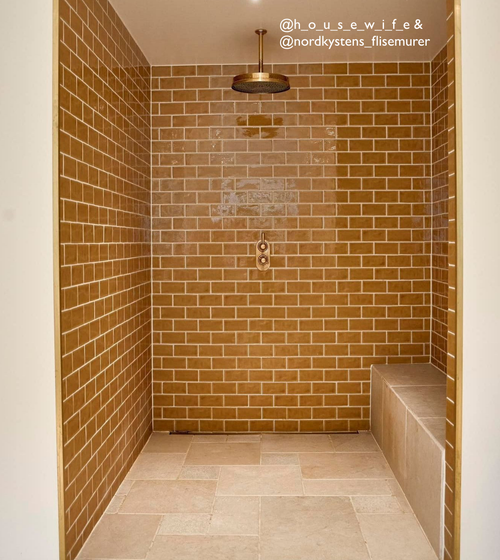
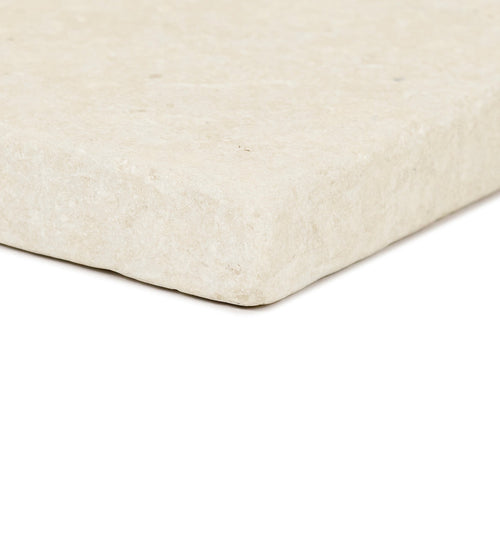
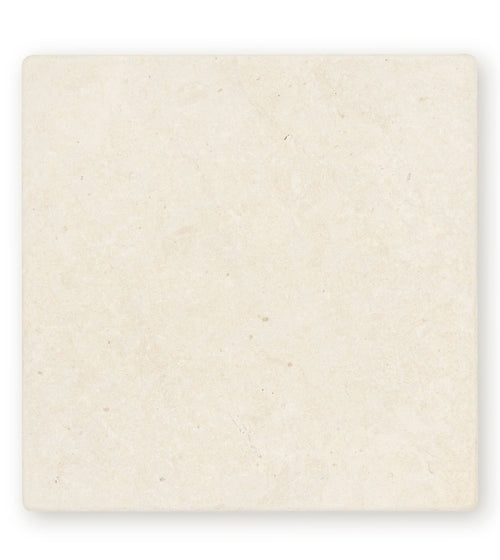
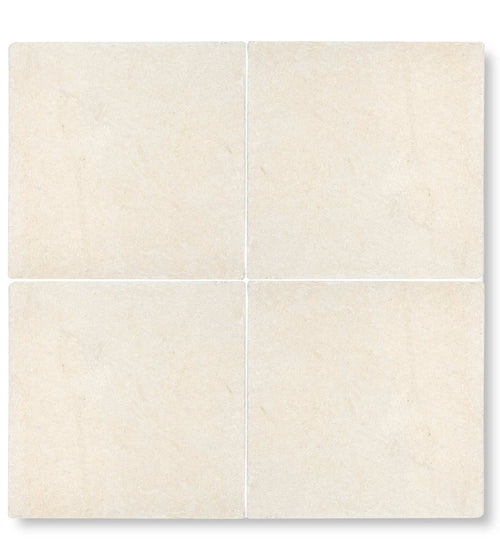
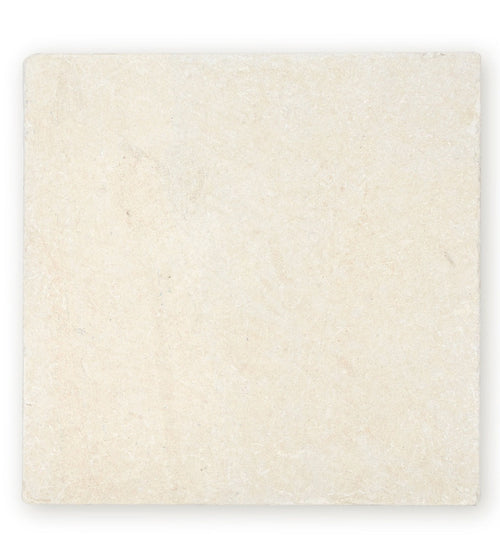


 Cathedral Classic 20 x 20 Tile £158.50 /m2


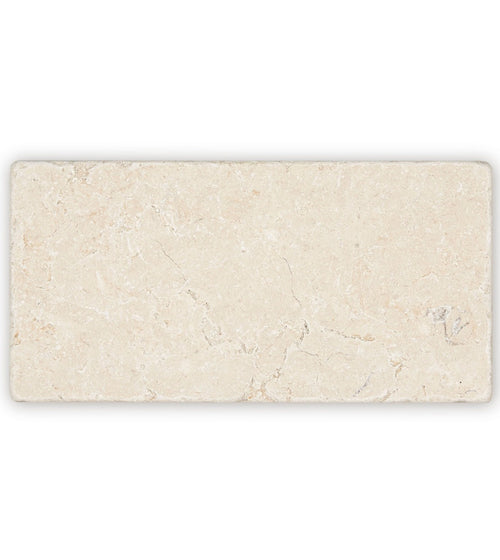


 +Temple Ezra 10 x 20 Tumbled £97.00 /m2
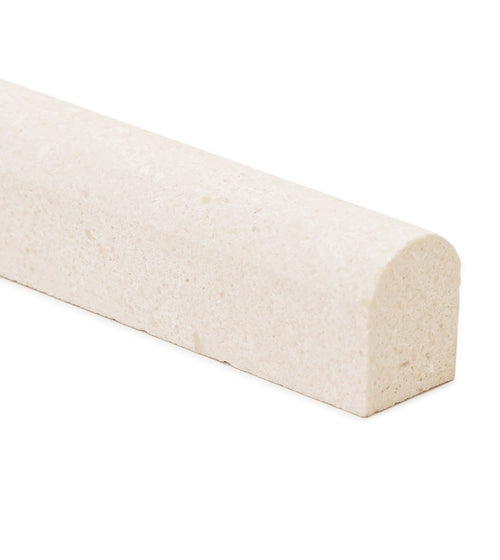
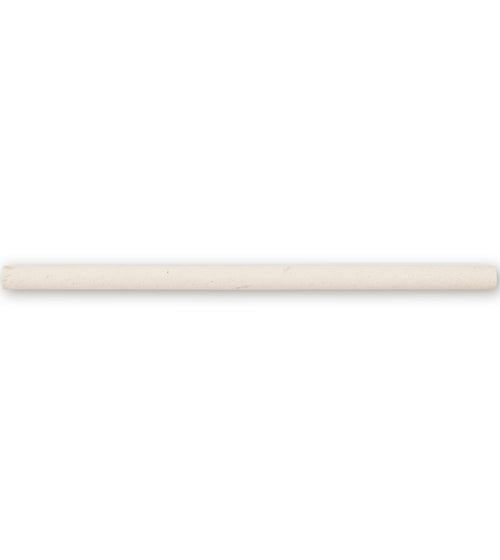 +Palio Limestone Pencil £14.80 /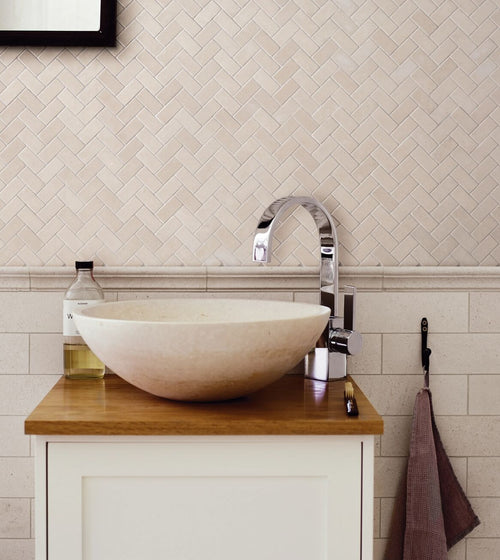

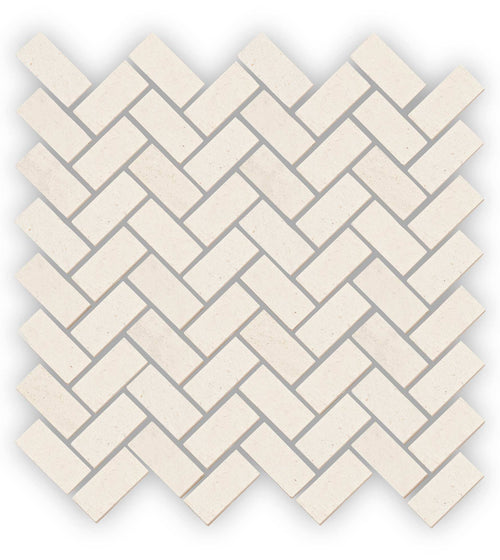 +Palio Limestone Herringbone Mosaic Tile £227.52 /m2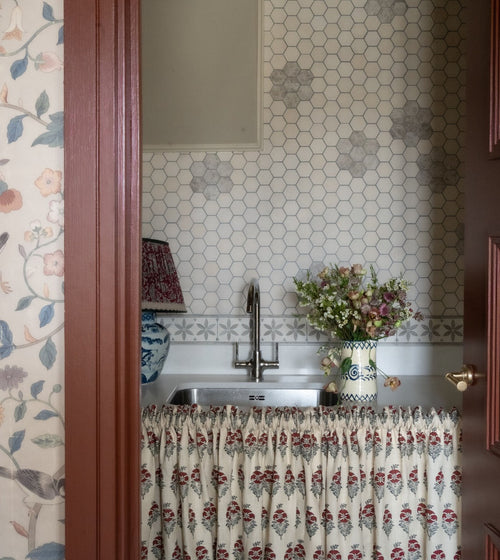
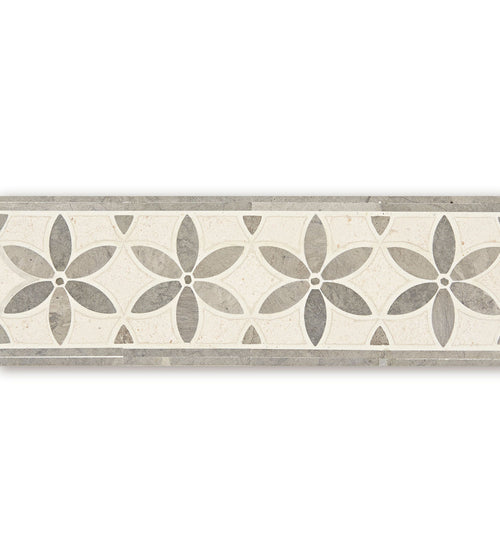
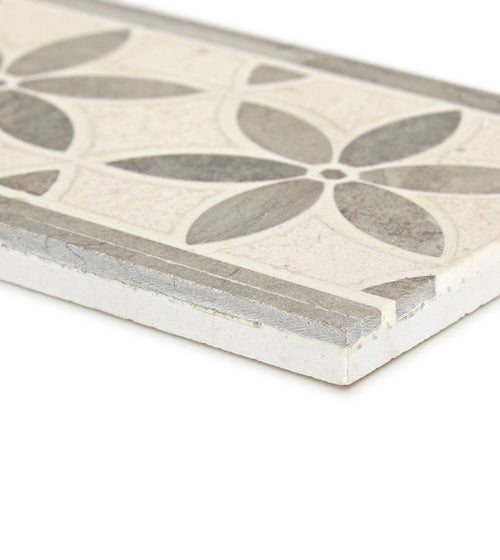
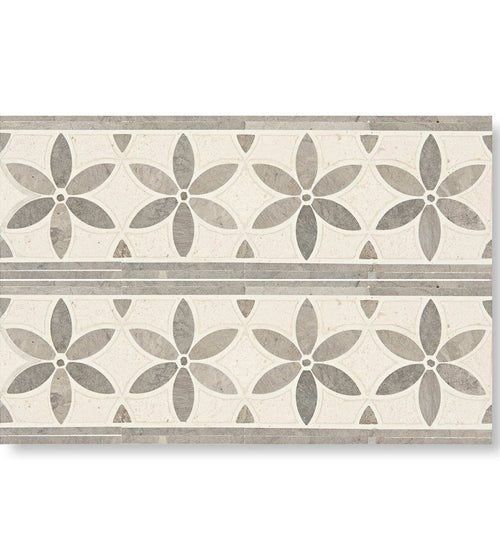
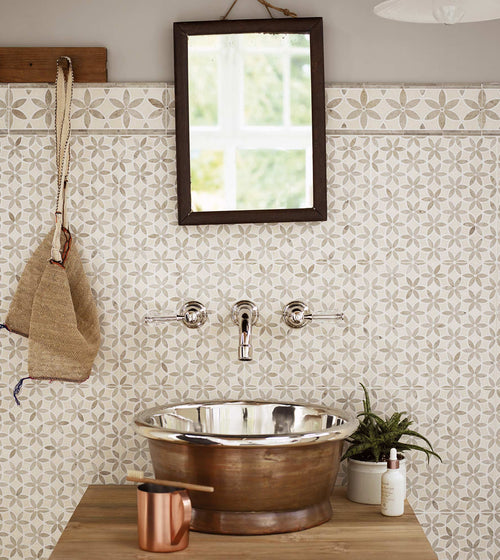
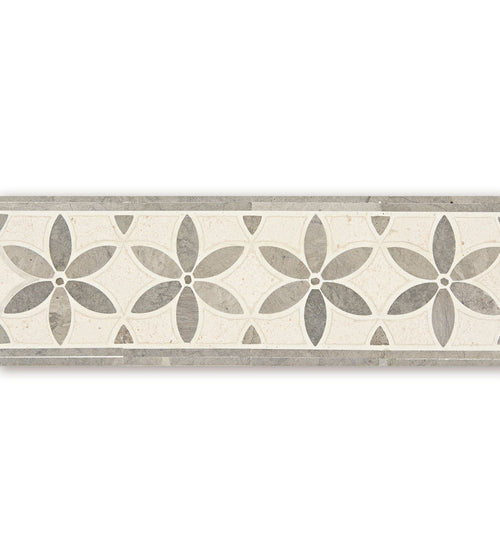


 +Palazzo Corsini Border £27.20 /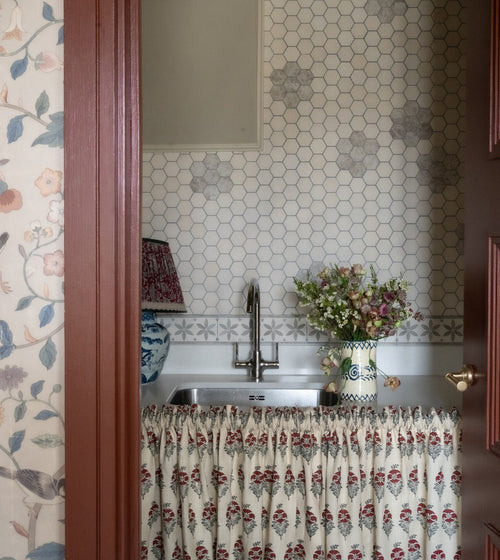
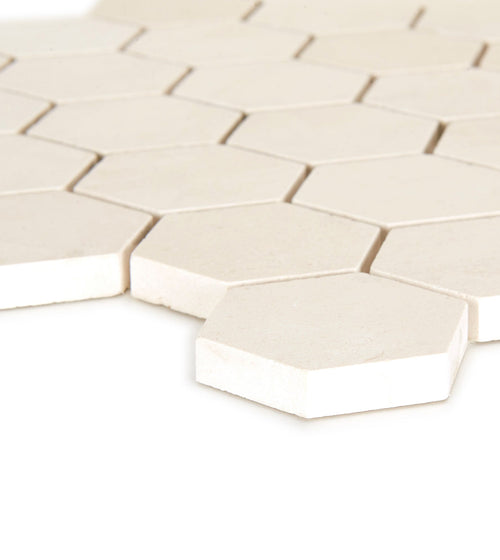
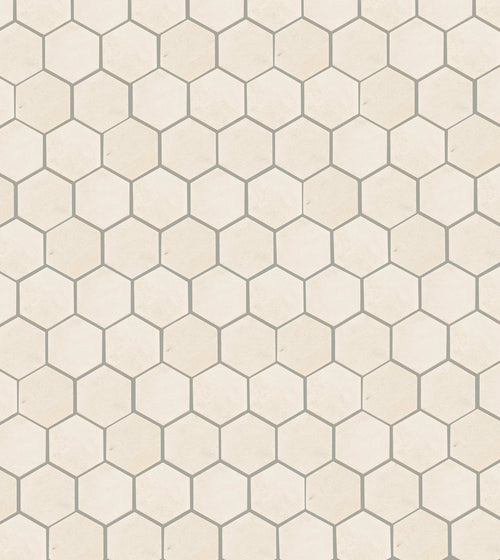
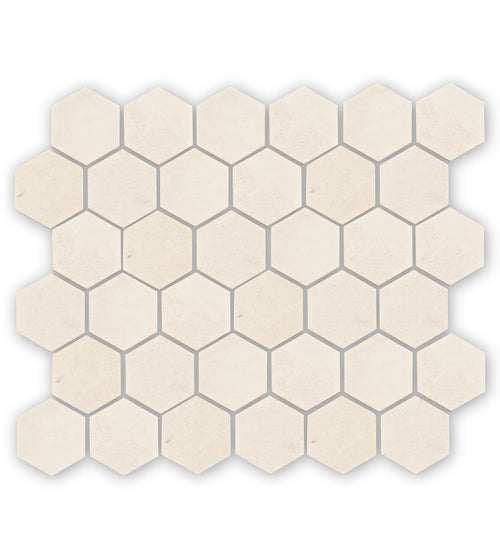 +Palio Limestone Hexagon Mosaic tile £326.88 /m2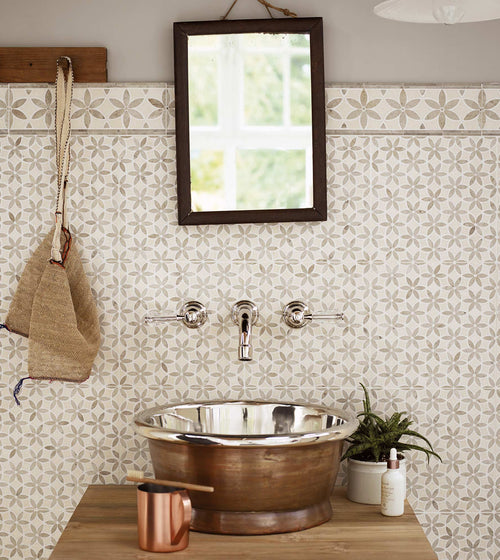
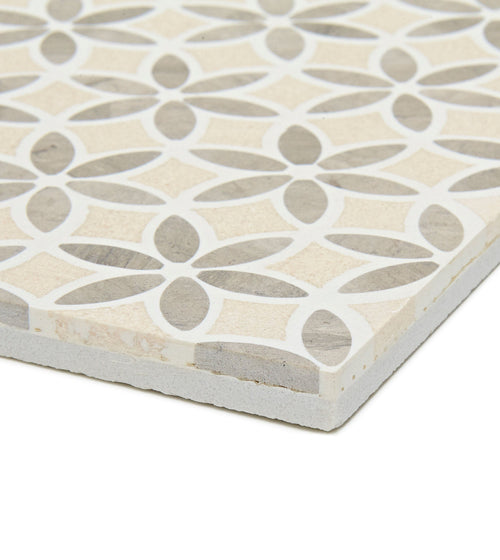
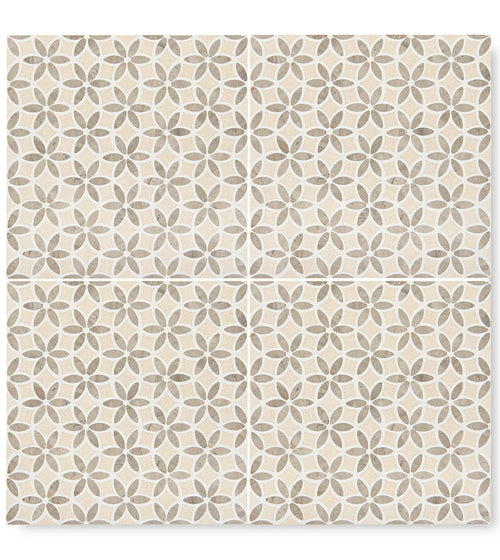
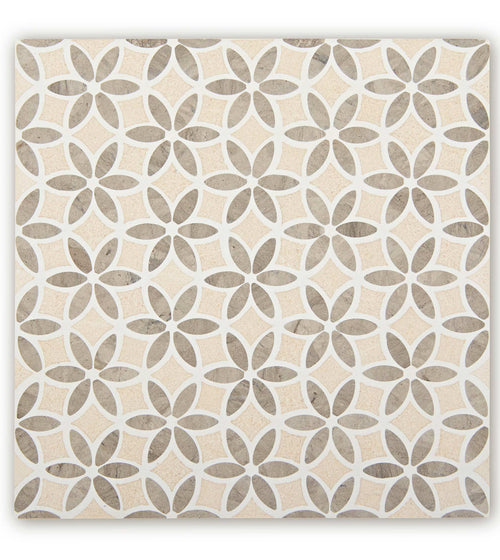 +Palazzo Corsini £635.80 /m2
-

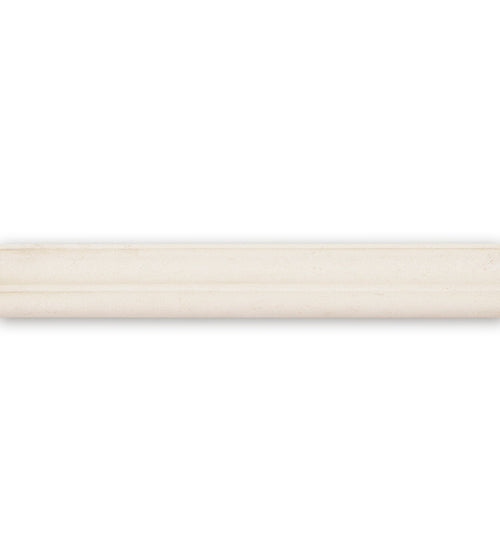
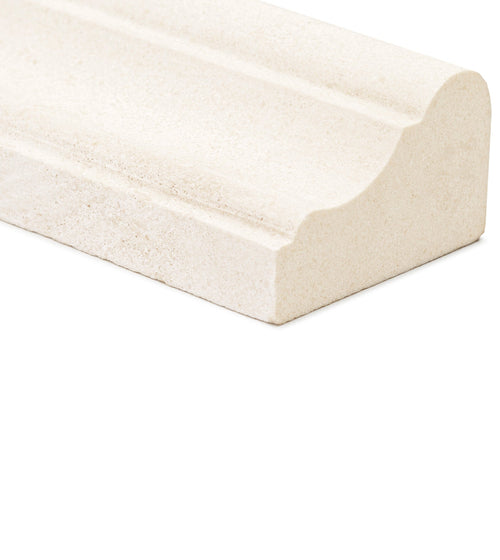
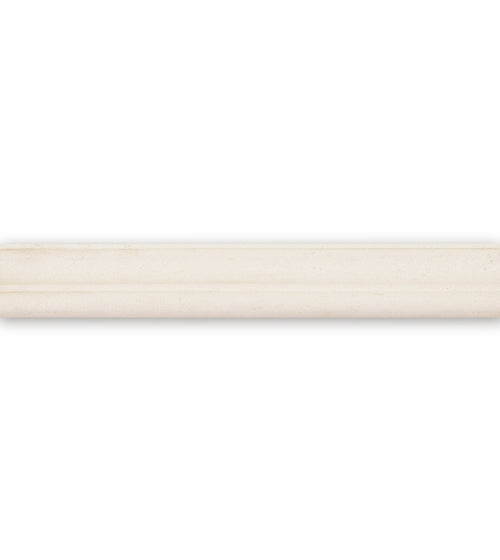 +Palio Limestone Dado £20.16 /


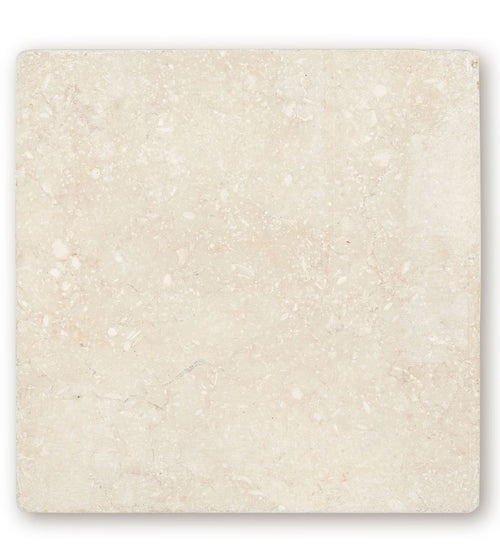 +Temple Ezra 30 x 30 Tumbled £79.48 /m2

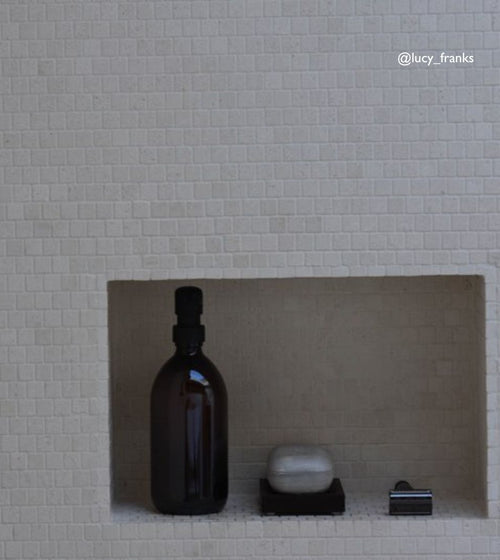
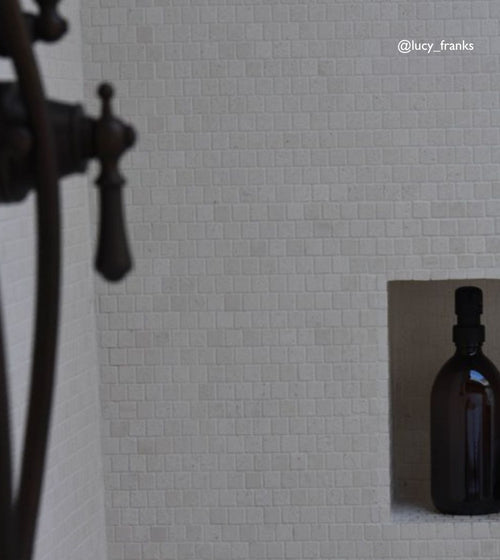
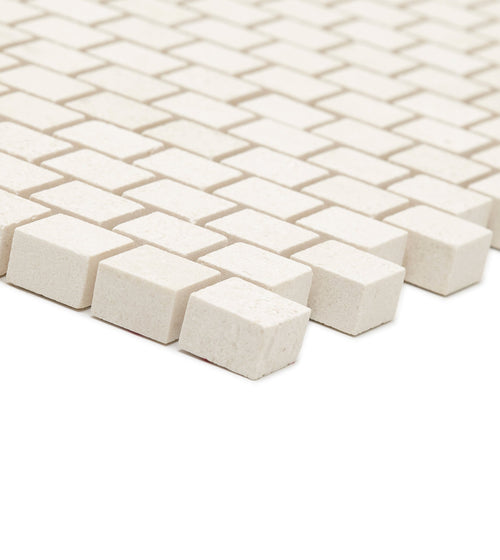

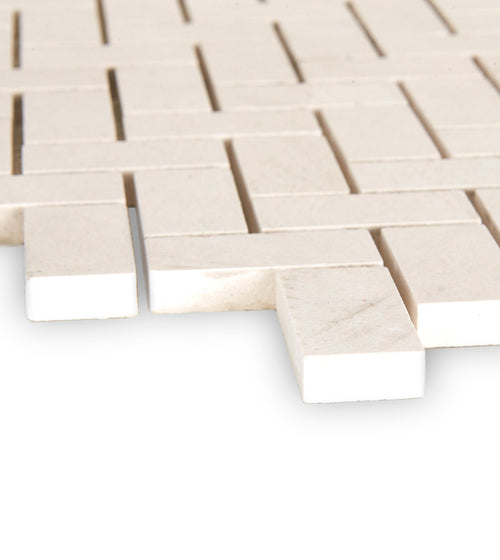
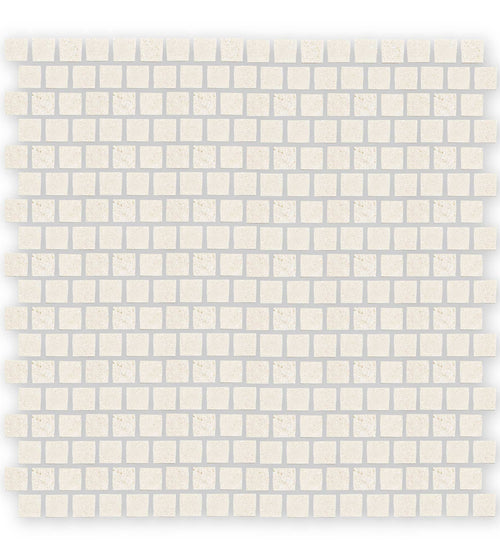 +Palio Limestone Brick Mosaic Tile £284.35 /m2
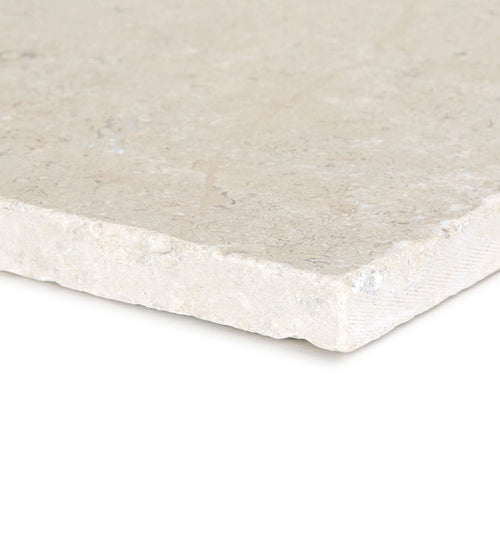
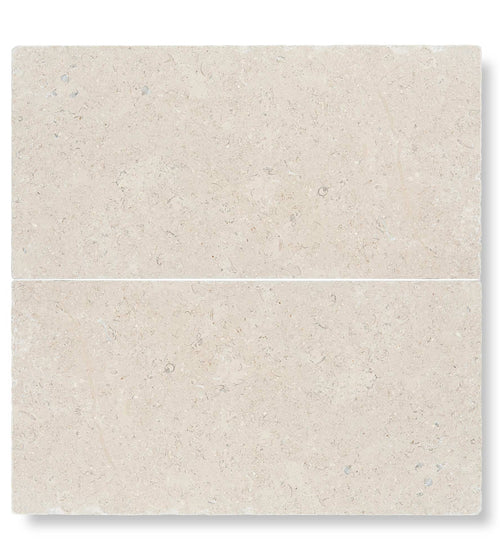
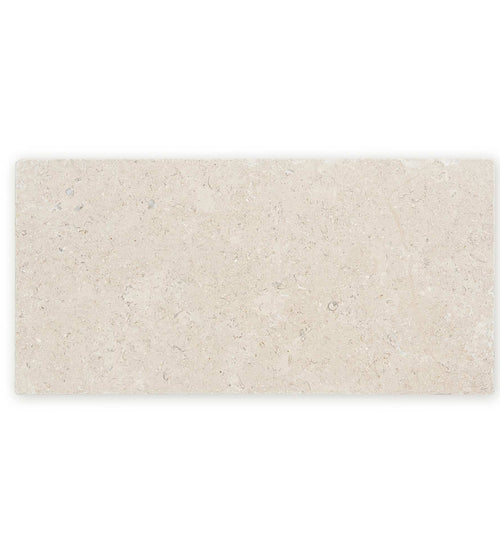


 Cathedral Antique 20 x 40 £158.25 /m2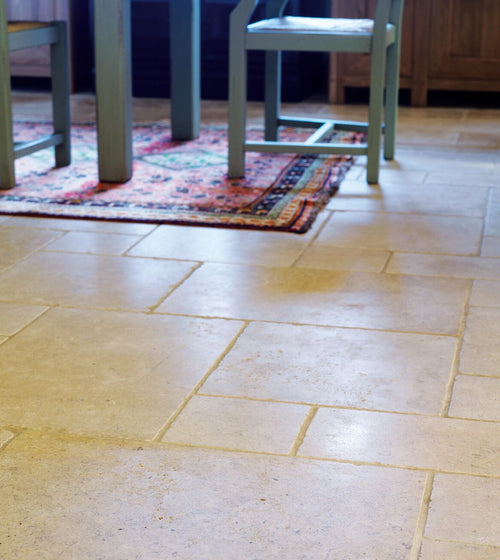
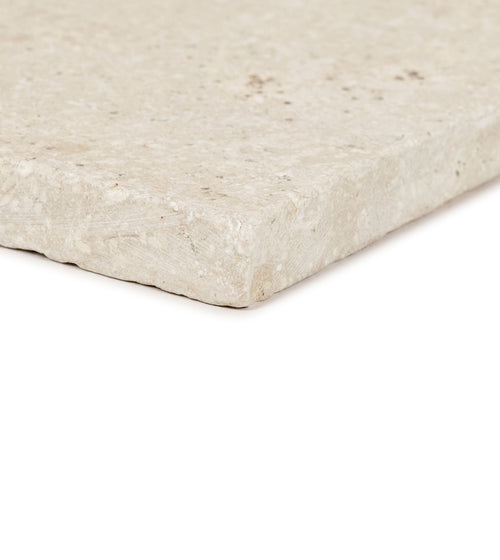
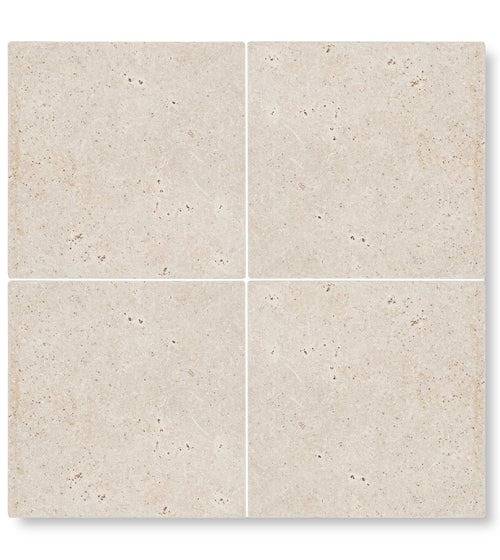
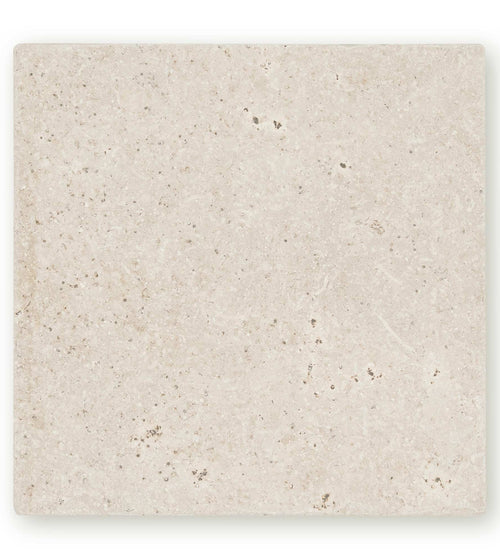 Cathedral Antique 20 x 20 £158.50 /m2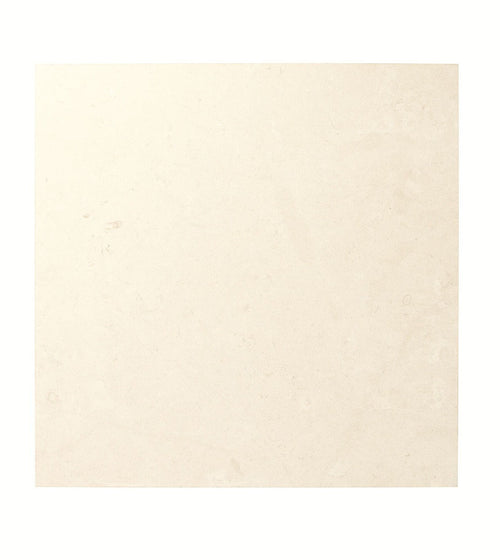

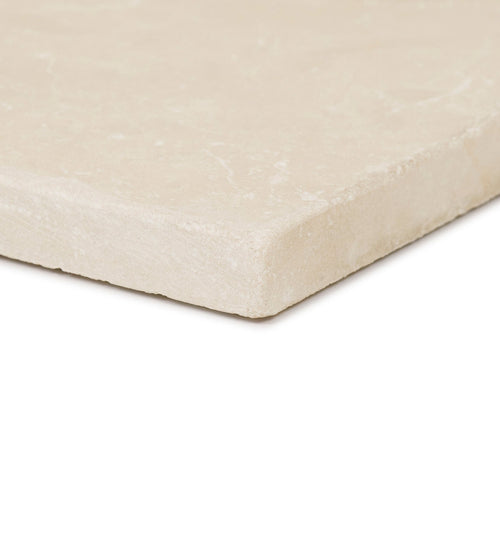
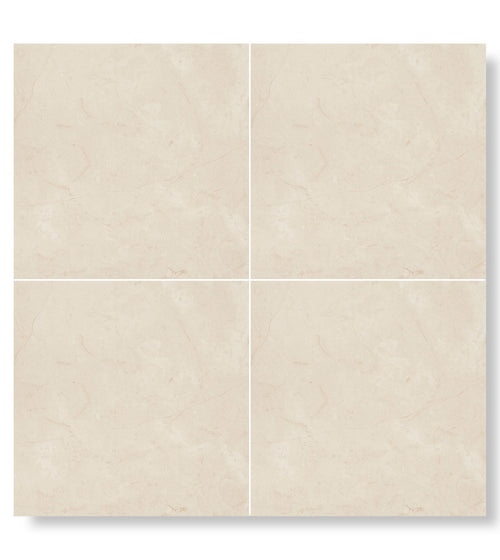
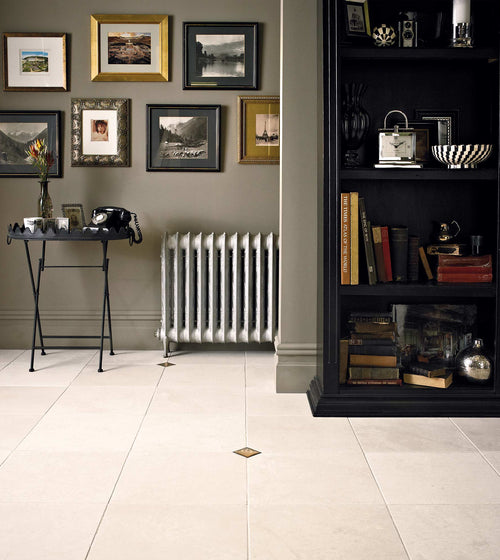
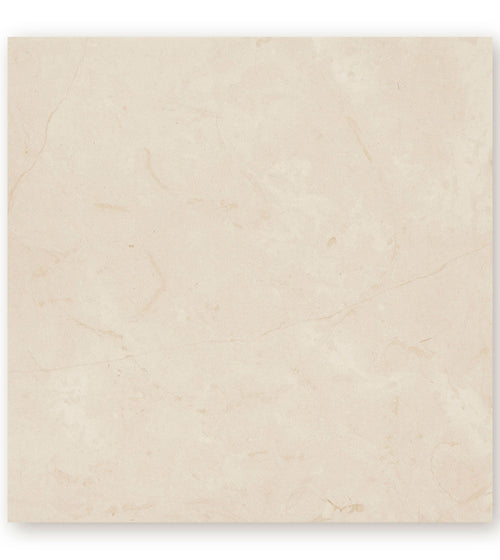


 Dorzano Diamond Sawn Edge, Honed £132.57 /m2


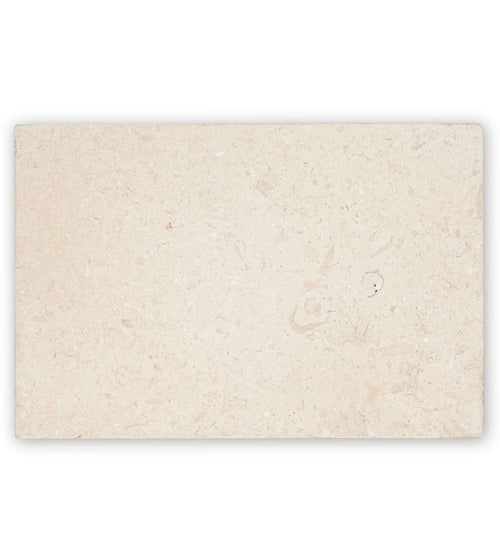 +Temple Ezra 60 x 40 Tumbled £85.20 /m2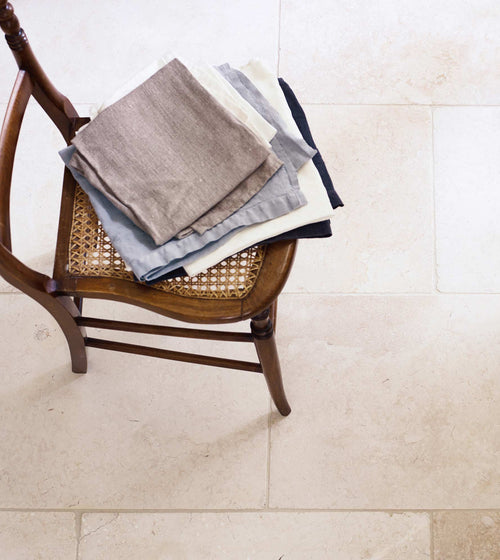
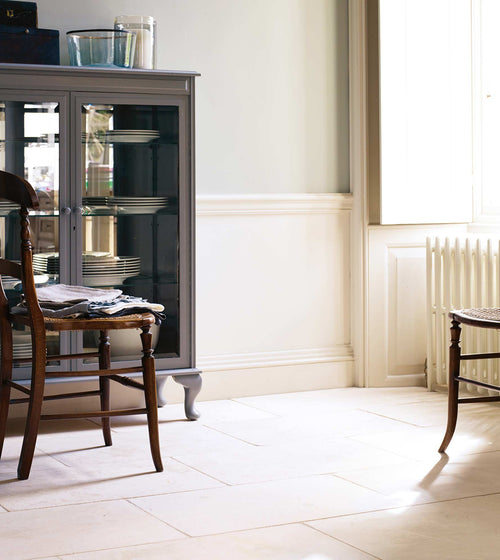
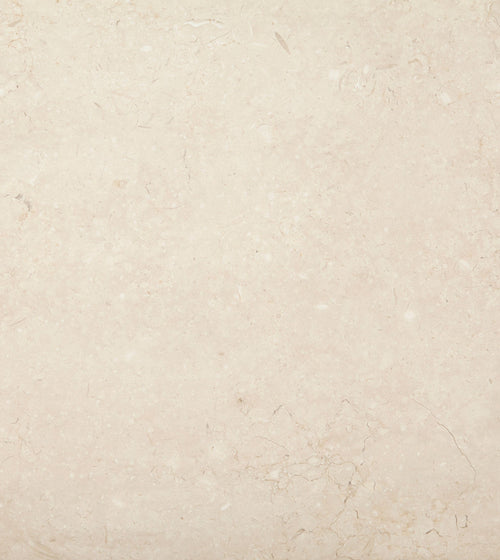
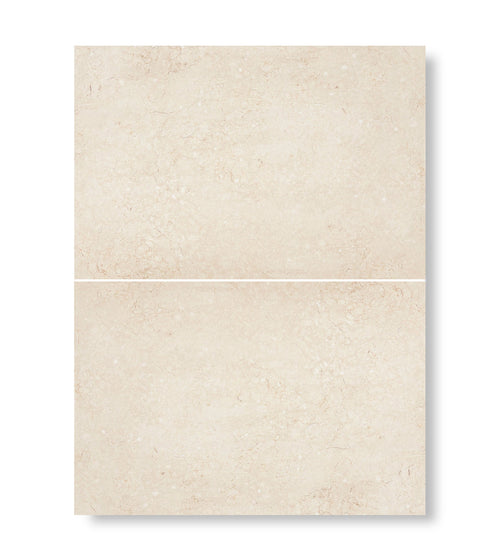
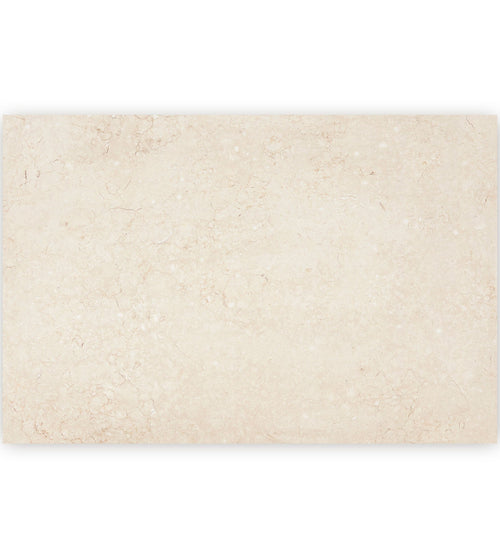 +Temple Ezra 60 x 40 Diamond Sawn, Honed £92.14 /m2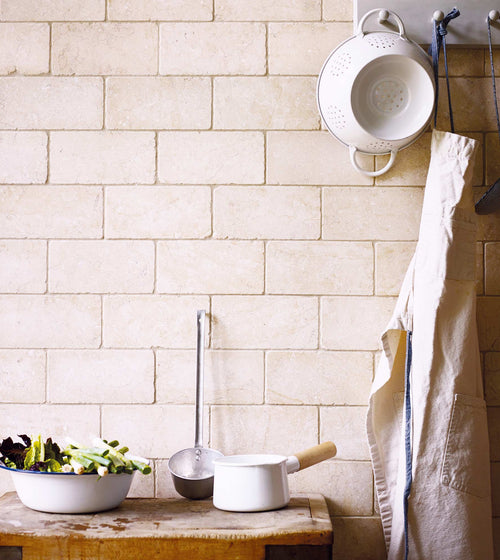
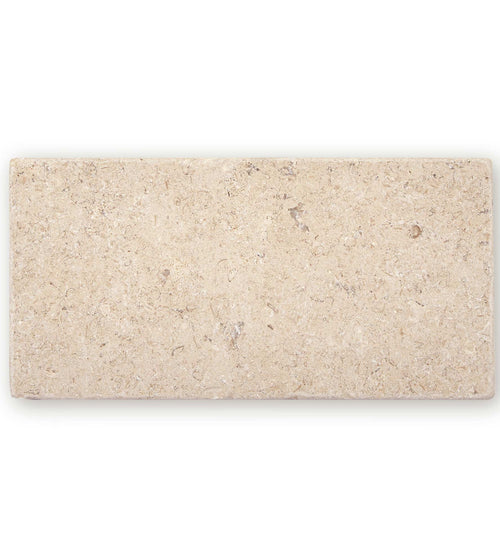
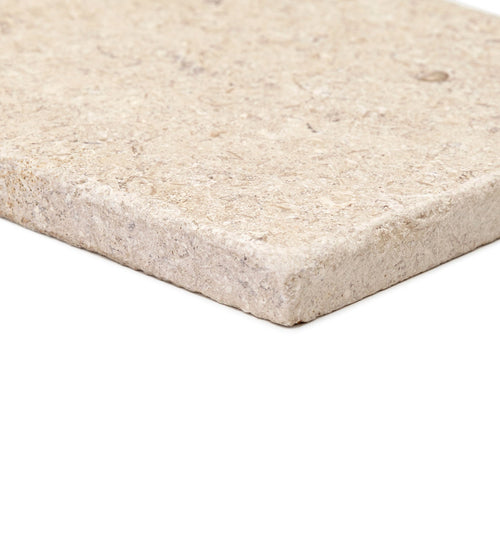
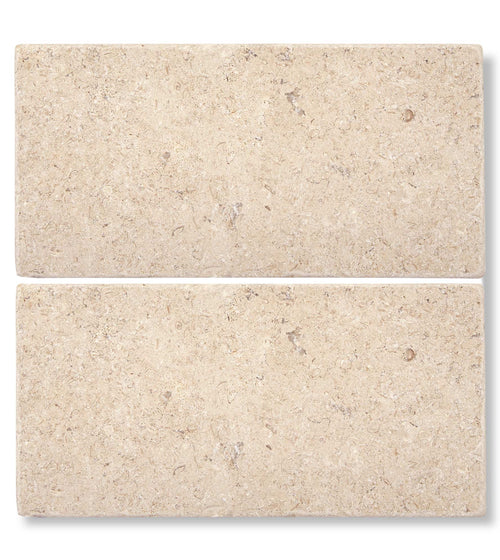
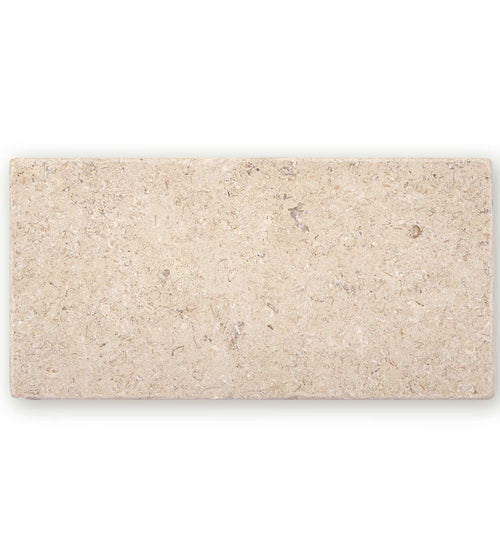 Temple Marsa 10 x 20 Tumbled £97.00 /m2


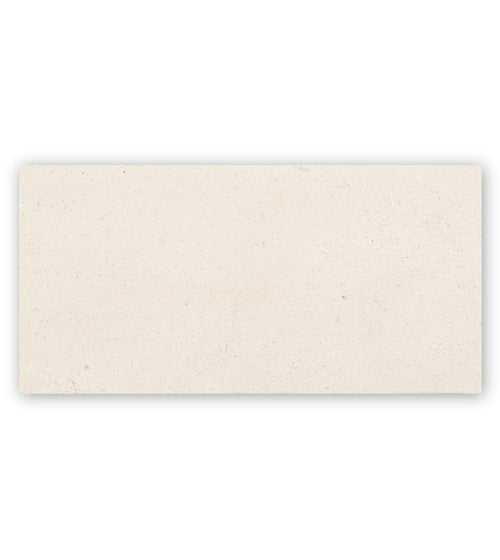 +Palio 10 x 20 Diamond sawn edge, honed £114.50 /m2
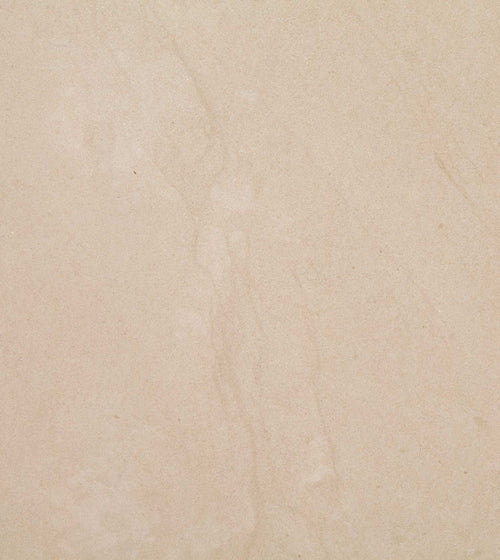
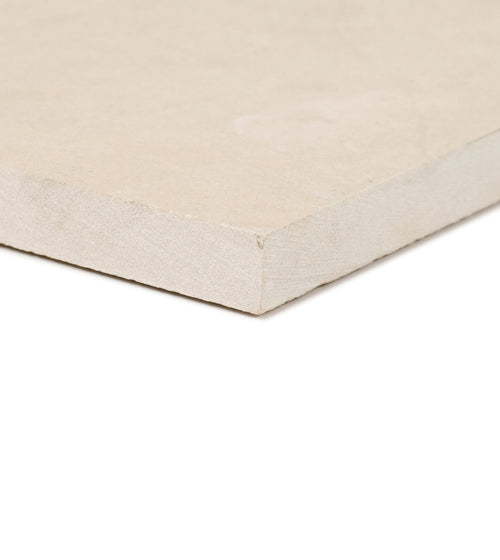
 Dorzano Diamond Sawn Edge, Honed £108.60 /m2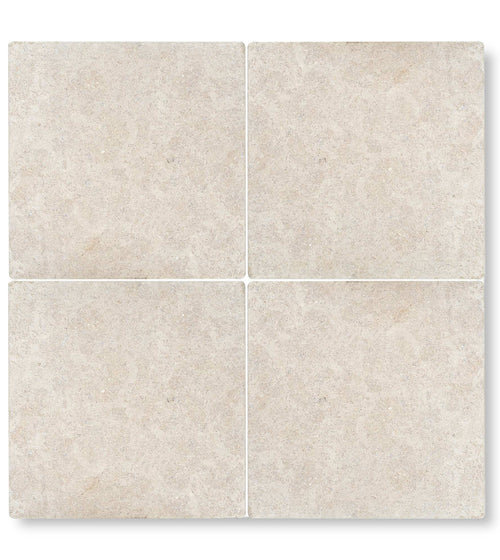
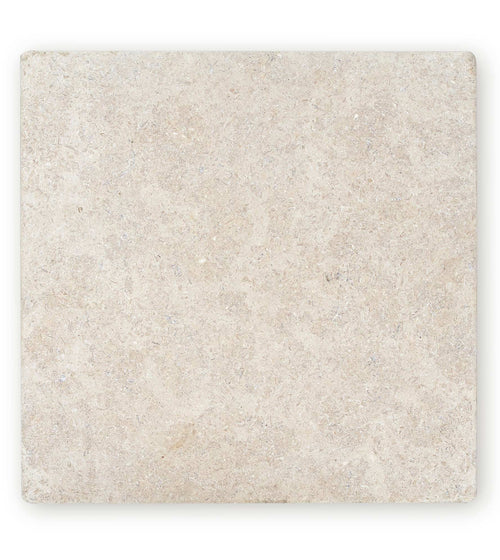 Cathedral Antique 40 x 40 £158.45 /m2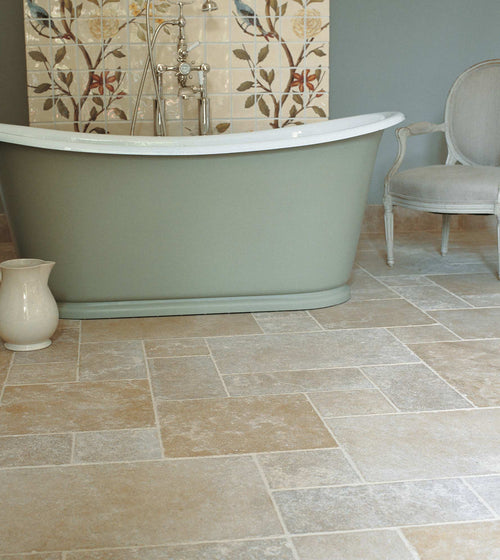
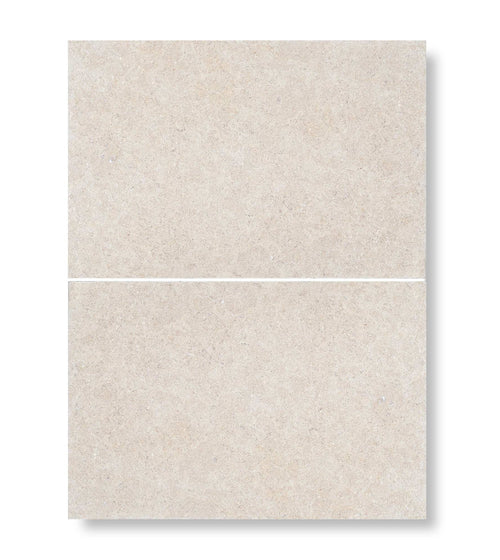
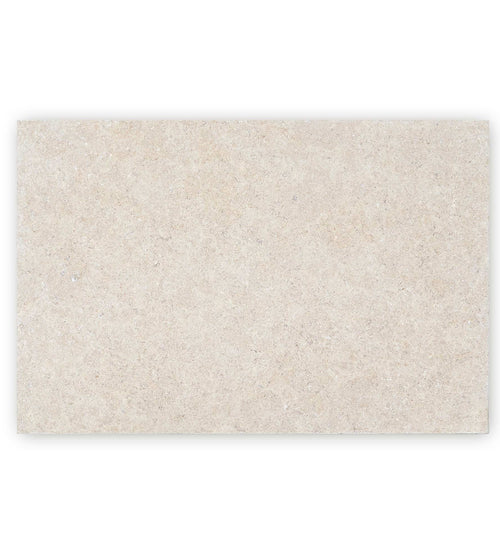 Cathedral Antique 40 x 60 £169.01 /m2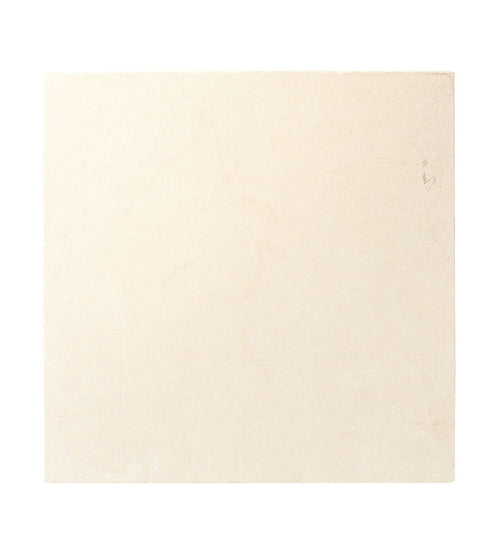
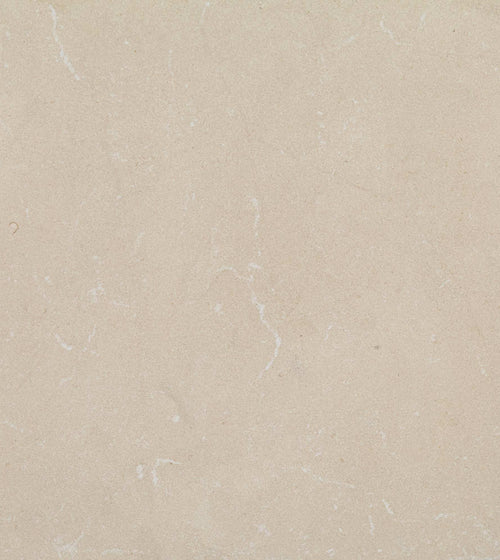
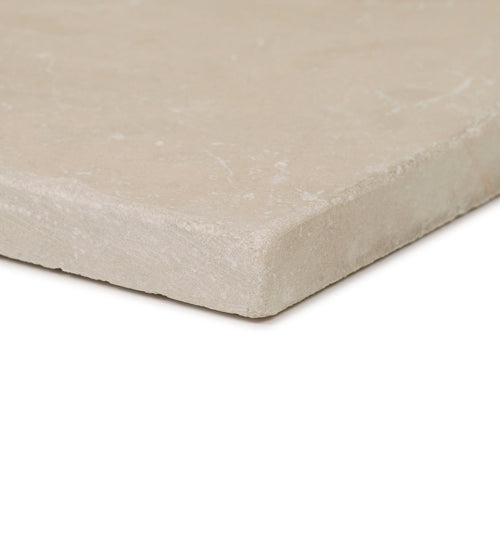
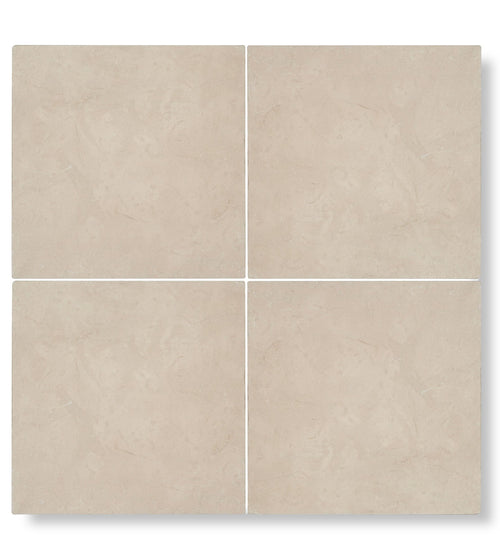
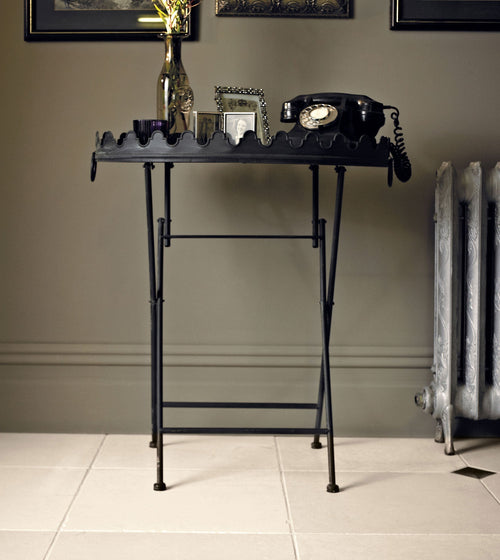
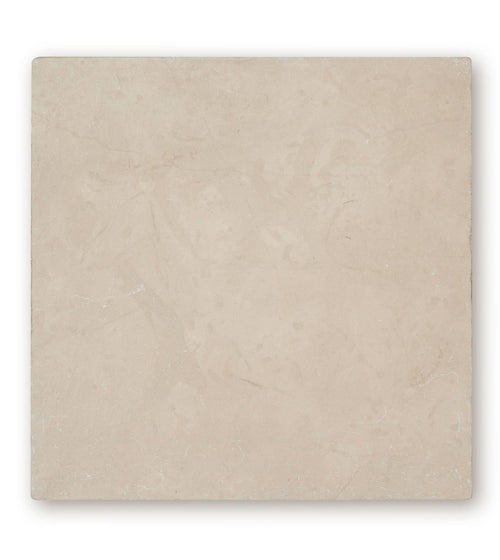 Dorzano Tumbled Edge and Surface £132.57 /m2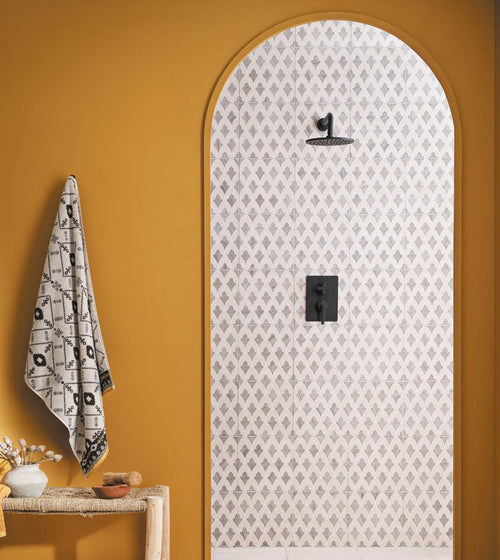
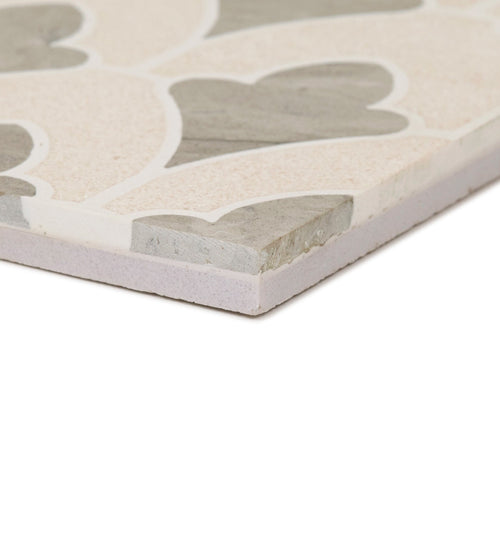
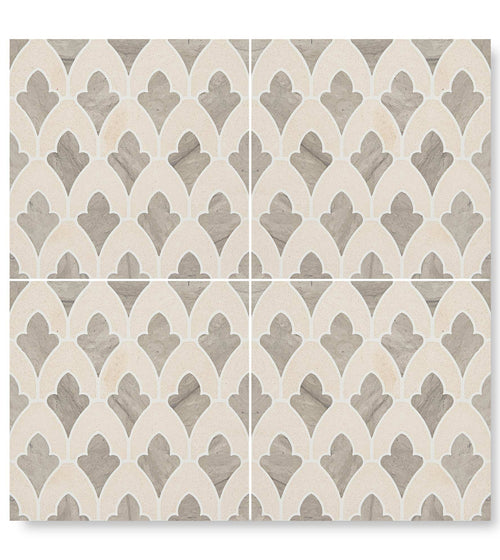
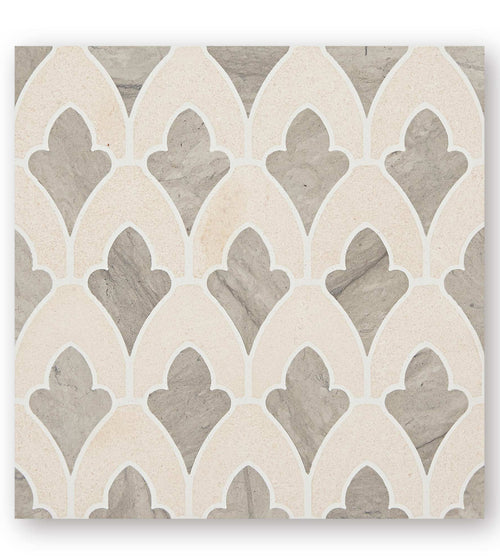 +Palazzo Valentini £635.80 /m2
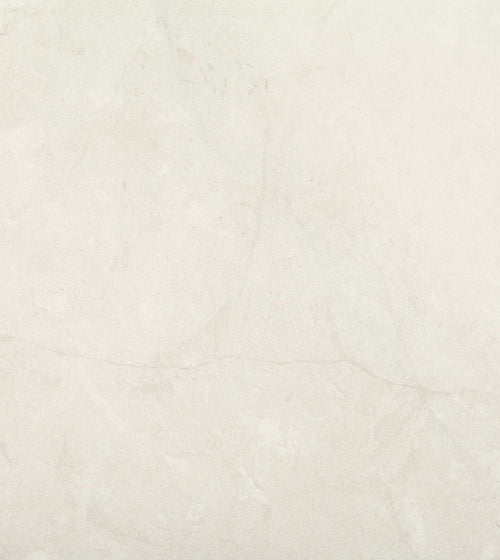
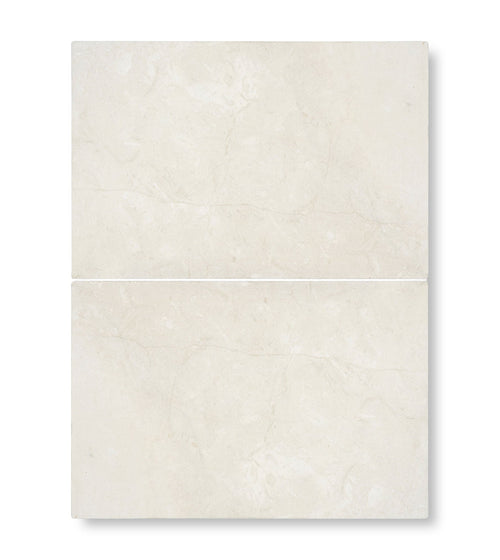
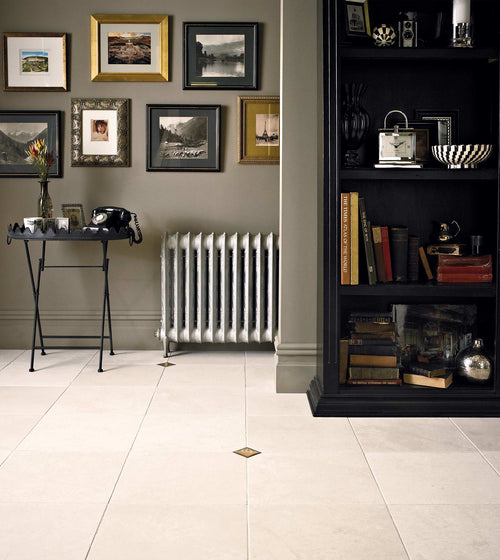
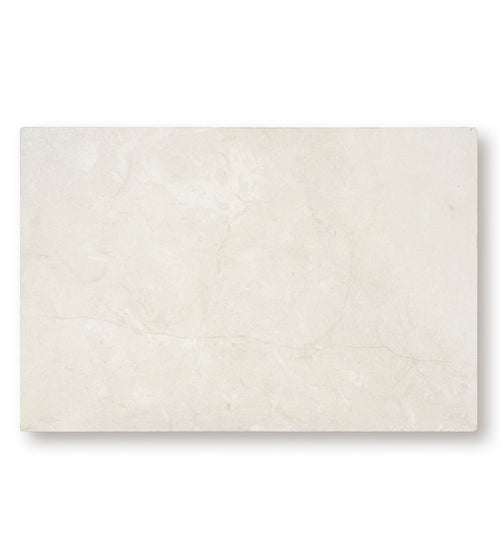 Dorzano Tumbled Edge and Surface £108.60 /m2


- 1
- 2
Frequently Asked Questions
Limestone tiles work well in bathrooms. Seal them with a penetrating stone sealer on installation and reseal every year or two to stop moisture getting in. For the floor, a r tumbled finish gives better grip underfoot.
Honed limestone tiles have a smooth, matte surface: refined and consistent. Tumbled limestone tiles have softly worn edges and a more tactile face. The choice comes down to the feel you're after.
Grey limestone tiles bring a cool, understated quality to kitchens that suits a wide range of cabinetry. Seal them well to resist staining. And if you want a finish that's easy to live with day to day, go for honed.
It isn't. Seal your tiles on installation, clean with a pH-neutral stone cleaner and you'll keep them looking their best. The one thing to avoid is anything acidic: vinegar and lemon-based products can etch the surface and dull the finish.
Limestone conducts heat reliably and works well with underfloor heating. Use a flexible adhesive suited to heated substrates and let the tiles acclimatise before laying. Allow both the adhesive and grout to cure fully before you commission the heating, bringing the temperature up gradually.


